
We invite you to mark your calendars for the third Thursday of the month from March through December of this year for our new presentation series, New Mexico Stories. Join us on our NMHA Museum campus as artists, writers, musicians, and other special guests explore the dynamic cultural landscape of our state through the arts and lived experiences of New Mexicans, both historic and contemporary.
All New Mexico Stories presentations are scheduled to take place in the intimate, warm, and inviting sala of our historic house museum. Space is limited, so be sure to claim your spot!
We look forward to learning with you in the SCAS | NMHA sala.
Purchase tickets below by clicking on the specific date. To purchase a full series package, please email development@spanishcolonial.org.
Doors open at 4:00 PM. All presentations run from 4:15 PM - 5:30 PM.
SCAS | NMHA
750 Camino Lejo
Santa Fe, NM 87505
Advance Tickets Required
2026 Season
March - December
Purchase tickets by clicking on desired date or associated image.
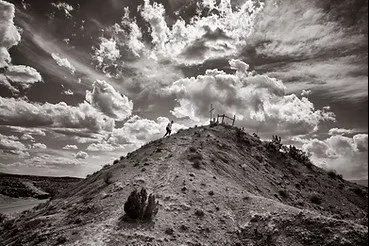
Author and Storyteller Don Usner
Storytelling Through the Lens: Historic Preservation of Chimayó
The dynamic Don Usner presents a story still in the making: his search for answers about the purchase of the Santuario de Chimayó, its preservation history, and the community-led efforts to revitalize the historic Chimayó plaza, one adobe brick at a time. His research led him to answers tucked away in the SCAS | NMHA archive. Many answers lead to more questions, and round and round he goes. His photographs draw audiences in not as outsiders but as invited guests, a visual story easy to see yourself in. Strap in for a presentation full of wit, honesty, and joy as he unravels the mysteries of the past through words and images.
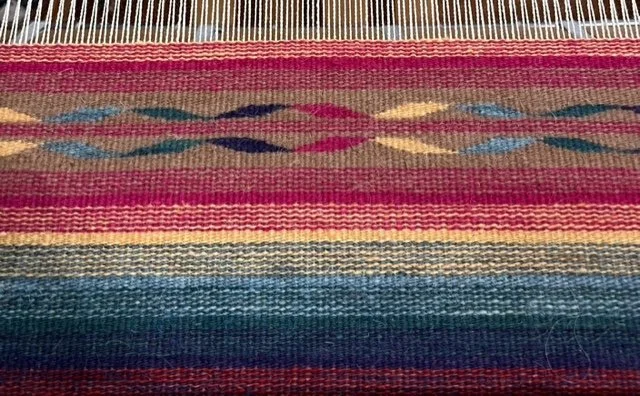
Master Weaver Rita Padilla Haufmann
Historic Natural Dyes Used in Colonial New Mexico
We invite you to learn straight from a Master Weaver with this next NM Stories Presentation. The extraordinary Rita Padilla Haufmann is presenting a historical overview of materials and processes used in colonial times to create and produce dyes to color yarn. Imported dye stuffs from that time period include: Añil, Cochinilla, Palo de Campeche, Palo de Brazil. (Indigo, Cochineal, Logwood and Brazilwood) Among the local plants, Cota and Snakeweed were utilized.
Textiles that incorporated the dyes of that era continue today in a similar way. Her personal collection of dye stuffs and myriad rainbow-colored dyed yarn will be on display for attendees along with photographs of her process to help illustrate the many steps necessary to create the dyes. Additionally, textile photos of final products Rita has woven throughout the years will show the use of yarn in her contemporary work.
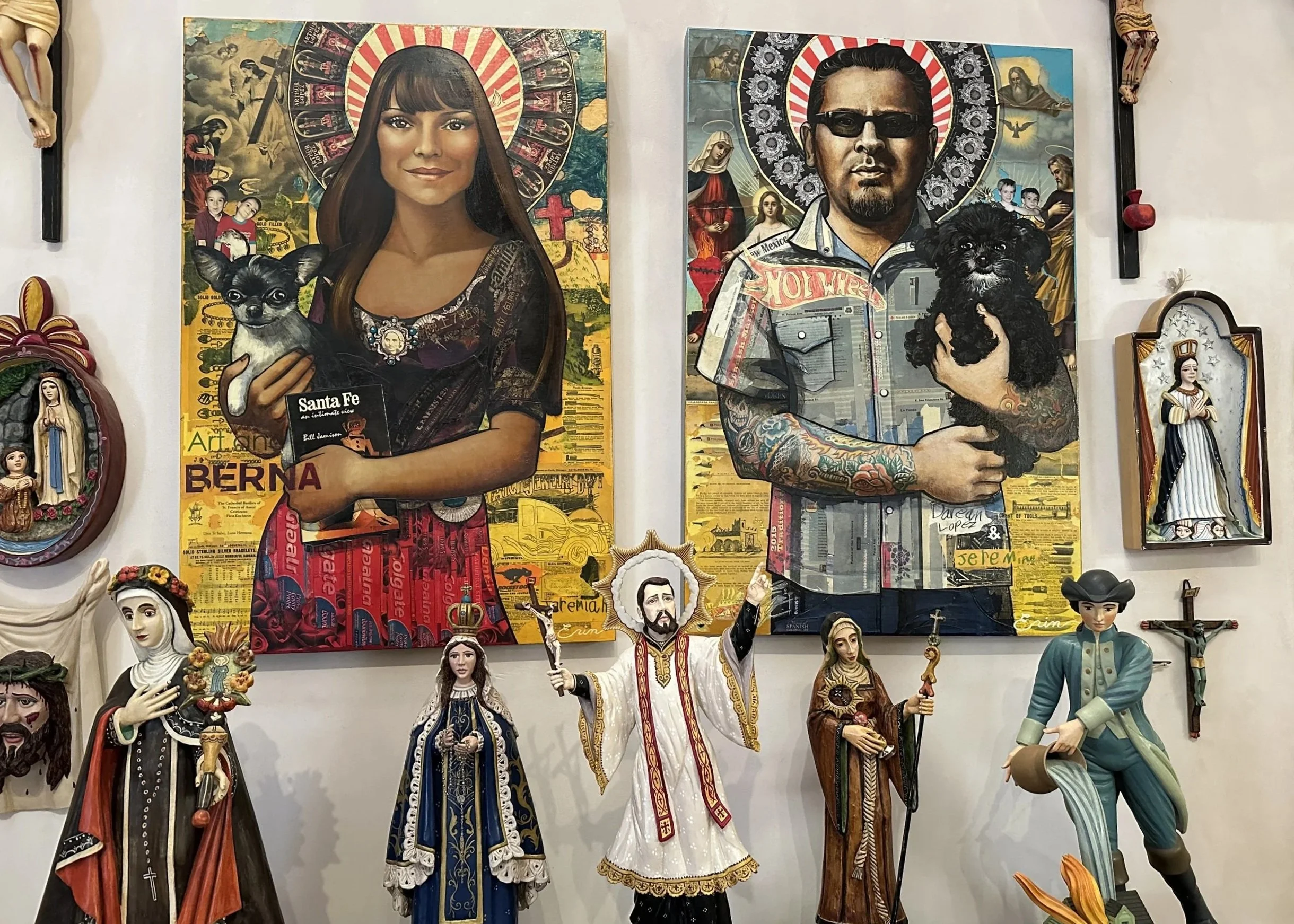
Collectors and Artists Arthur Lopez and Bernadette Marquez
In conversation about The Art of Collection
New Mexican artists Arthur López and Bernadette Marquez-López, known for their diverse collection focused on figurative art, will join E. Boyd Curator and Museum Director Jana Gottshalk to discuss the basics of curating a home collection and the philosophies that shape their collecting habits.
Arthur López, born and raised in Santa Fe, is proud to continue the tradition of New Mexico santero artists. His careful attention to detail has earned him many awards, and he is recognized as one of the state’s most popular santero wood sculptors. “My work comes out of my faith, I am a firm believer that you can still use traditional methods to create contemporary work. Though the majority of my work is of Saints you do not have to be of any particular religion to appreciate them as art." López also aims to go beyond traditional santero boundaries, using his art to express the full range of his culture and the world around him. He often collaborates with his wife, jeweler Bernadette Marquez-López, by adding his paintings and wood carvings to her silver jewelry, creating unique wearable art. Bernadette specializes in precious metals, focusing mainly on sterling silver jewelry. She has always valued the craftsmanship and detail found in precious metals, an art form introduced to the city by the Spanish about 400 years ago. While her work is rooted in these long-standing traditions, Bernadette updates them to suit the tastes of today’s buyers. With a focus on originality, she leads in contemporary jewelry design, using only the best materials to create pieces meant to be worn and admired.
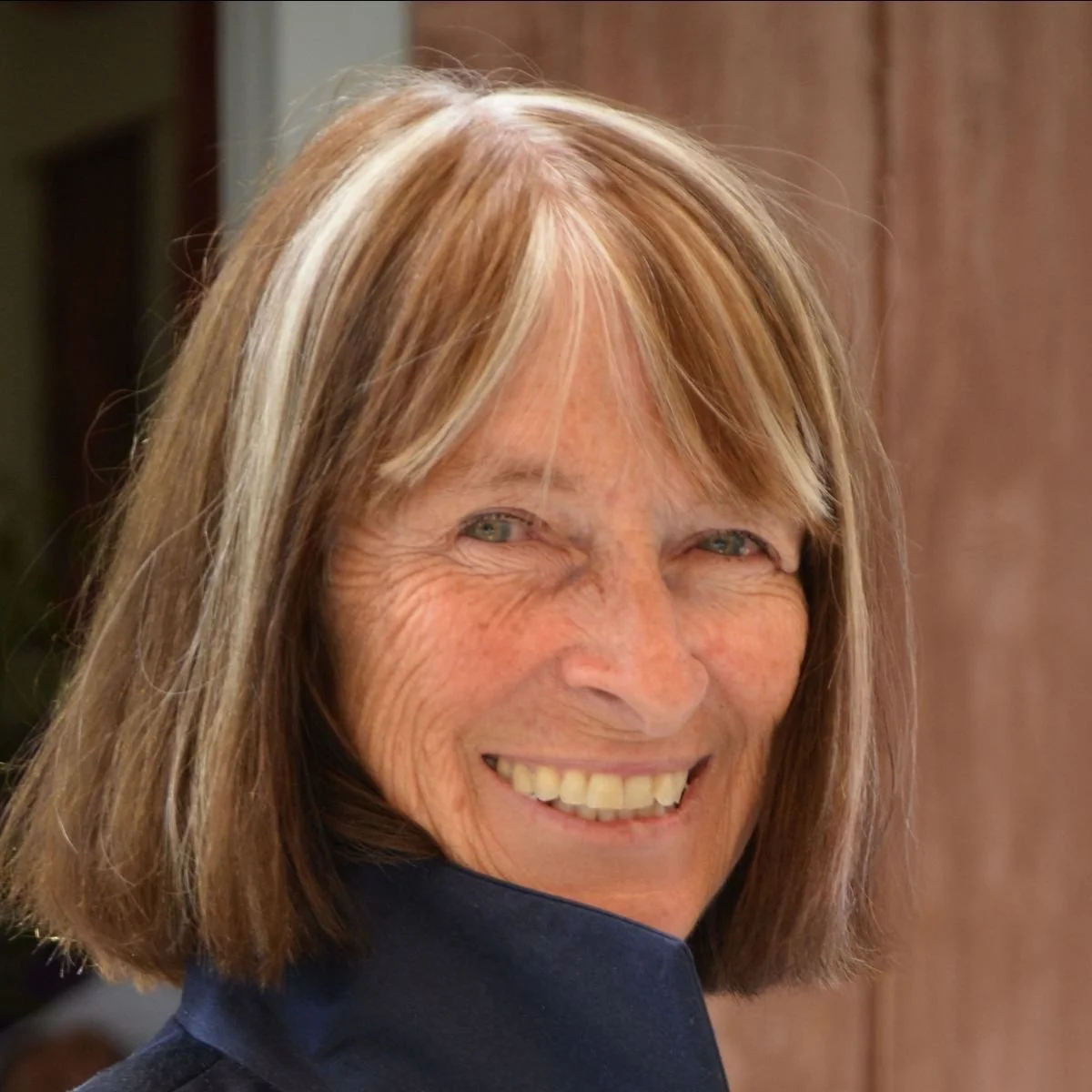
Jana Gottshalk E. Boyd Curator and NMHA Museum Director
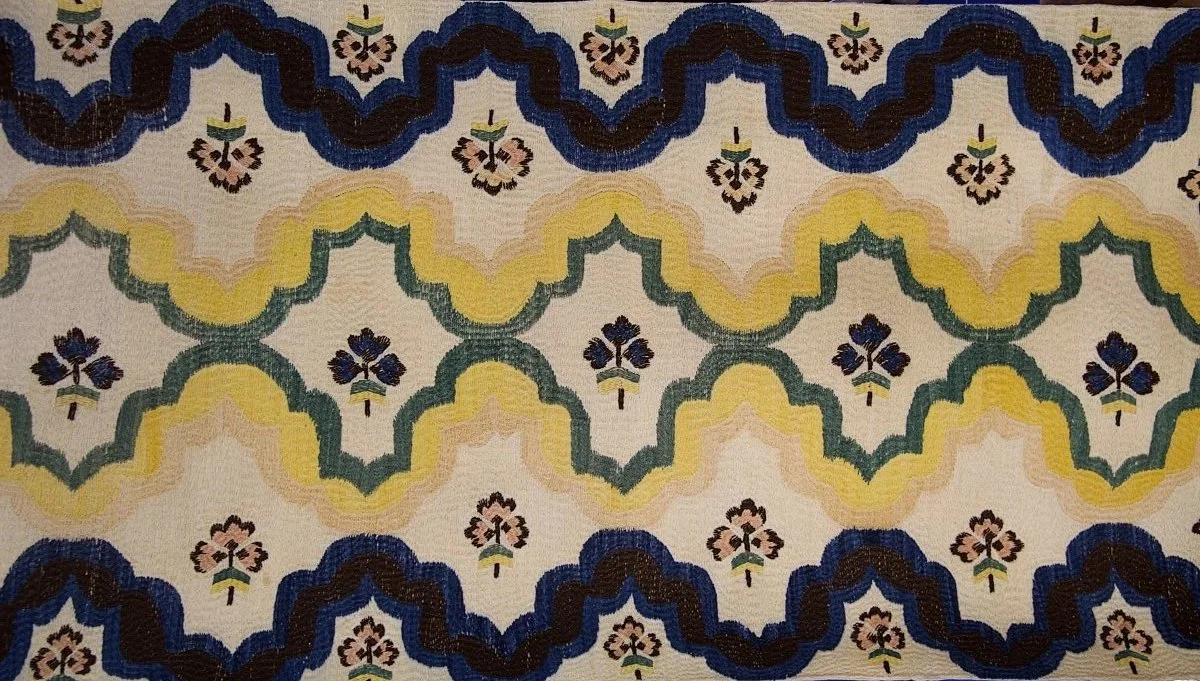
Lecture on The Carson Phenomenon: A Colcha Cottage Industry
Join curator Jana Gottshalk for an in-depth exploration of the Carson Colcha story, uncovering the remarkable journey behind these distinctive textile works. Through research in archival collections, as well as conversations with curators, dealers, and artists, Gottshalk reveals how a fragmented history was carefully reconstructed by the team. A pivotal breakthrough came with the discovery of living family members, whose insights helped fill in crucial gaps and bring the story to life.
This lecture also offers a closer look at the design elements and inspirations that define Carson colcha, highlighting the artistry and cultural significance embedded in each piece. Attendees will be treated to an unexpected moment in which one such textile appears in a questionable 1930s film, adding another intriguing layer to its history.
By learning more about these works, we can all can help ensure that the artists from Carson receive the recognition they deserve when their creations appear in museum collections and exhibitions across the country.
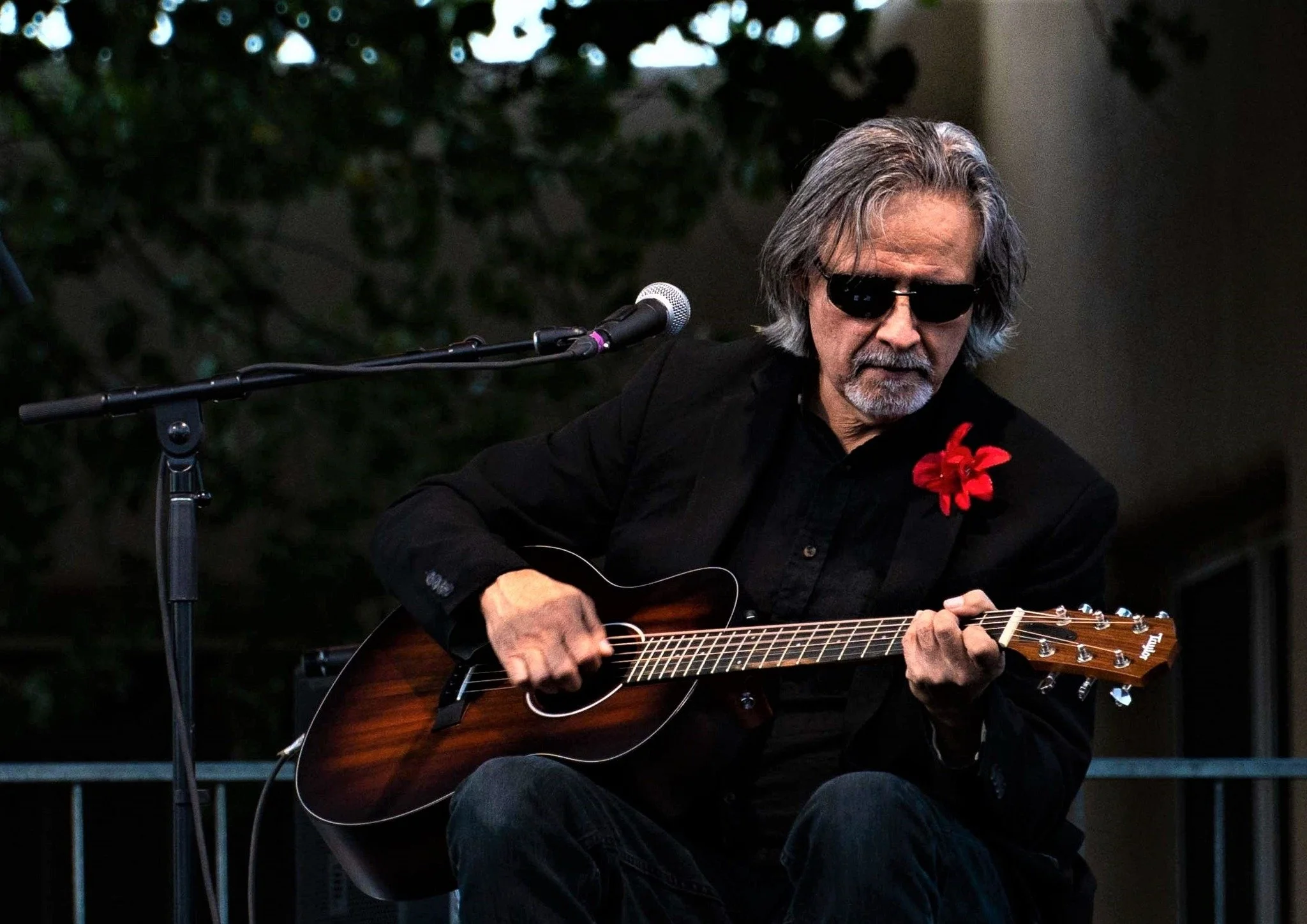
Musician and NM State Historian Rob Martinez
Folk Music of New Mexico
New Mexico State Historian Rob Martinez presents an engaging musical demonstration exploring New Mexico's rich Mexican and American music traditions. Songs by great Mexicano composers, as well as American songwriters such as Paul Simon and others. A celebrated folklorist, musician, and educator, Martinez brings the past to life through stories, music, and lived experience.
This event offers a unique perspective on the traditions and rhythms that have shaped communities across the region — blending history with performance in an accessible, memorable format.
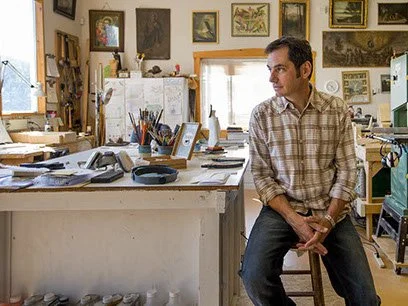
Artist Gustavo Victor Goler
History of Conservation and Restoration of New Mexican Devotional Art
Gustavo Victor Goler, a master New Mexican artist, conservator, Santero and erudite speaker will present on the history of conservation and restoration of New Mexican devotional art. The presentation will examine early efforts to preserve altars in churches and institutions within the state, focusing on individuals involved historically and those contributing to the field today. Additional topics include the early overpainting of Santos and the contemporary philosophy guiding the cleaning and removal of overpaint, the intentional burning of areas on Bultos and Retablos, significant historic sites where Goler has worked (such as Las Trampas, which is currently celebrating its 250th year), and notable findings regarding materials used in creating and conserving these artworks and buildings.
Folklorist, Ethnographer, and Art Historian Suzanne MacAulay presents Carson Colchas: Legacy, Legitimacy, and Invention
Resident of Rocky Mountains and the Pacific coast of New Zealand, Suzanne MacAulay is a folklorist, ethnographer, and art historian. She is Professor Emerita and former chair of the Visual and Performing Arts Department, University of Colorado, Colorado Springs. Her research focus is on arts revitalizations, particularly, Spanish Colonial colcha embroidery.
Her book, Stitching Rites, is the first comprehensive academic treatment of colcha embroidery and Hispanic art revitalizations. She co-authored Cultural Performance: Ethnographic Approaches to Performance Studies. In 2019 she successfully nominated Josephine Lobato, San Luis Valley folk artist from Colorado, for a National Endowment for the Arts National Heritage Fellowship Award. She is a consultant to Colorado Creative Industries Folk and Traditional Arts grants program, and was recently appointed Research Associate at the Museum of International Folk Art.
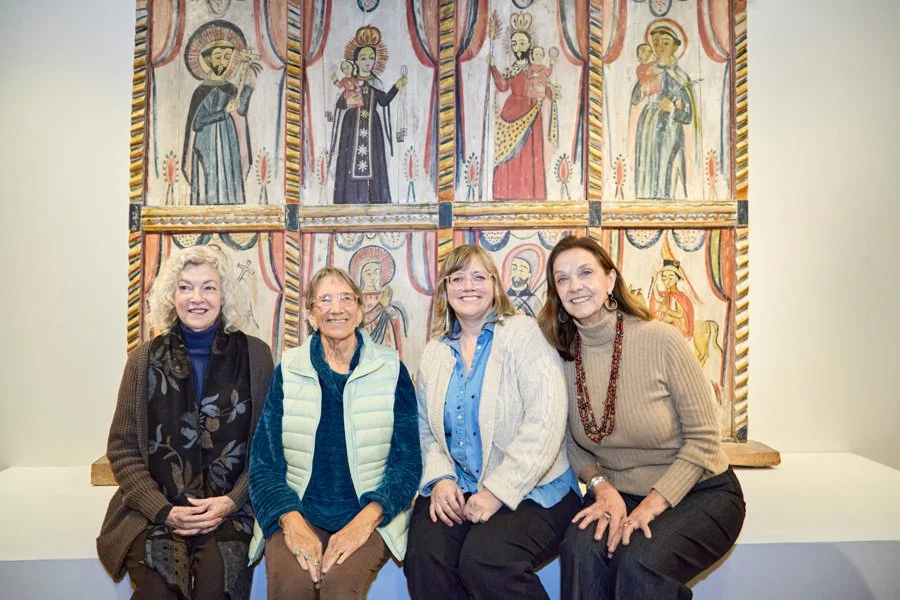
Authors Robin Farwell Gavin, Carmella Padilla and Donna Pierce, PhD in Conversation with Arts Journalist Michael Abatamarco
Well-known New Mexican authors share their experiences as writers of local history, the arts, culture and notable personalities. Engaging in a wide-ranging conversation about topics so close to their hearts—New Mexico and its colorful inhabitants—they explain their process of tackling multi-layered topics from conception to publication.
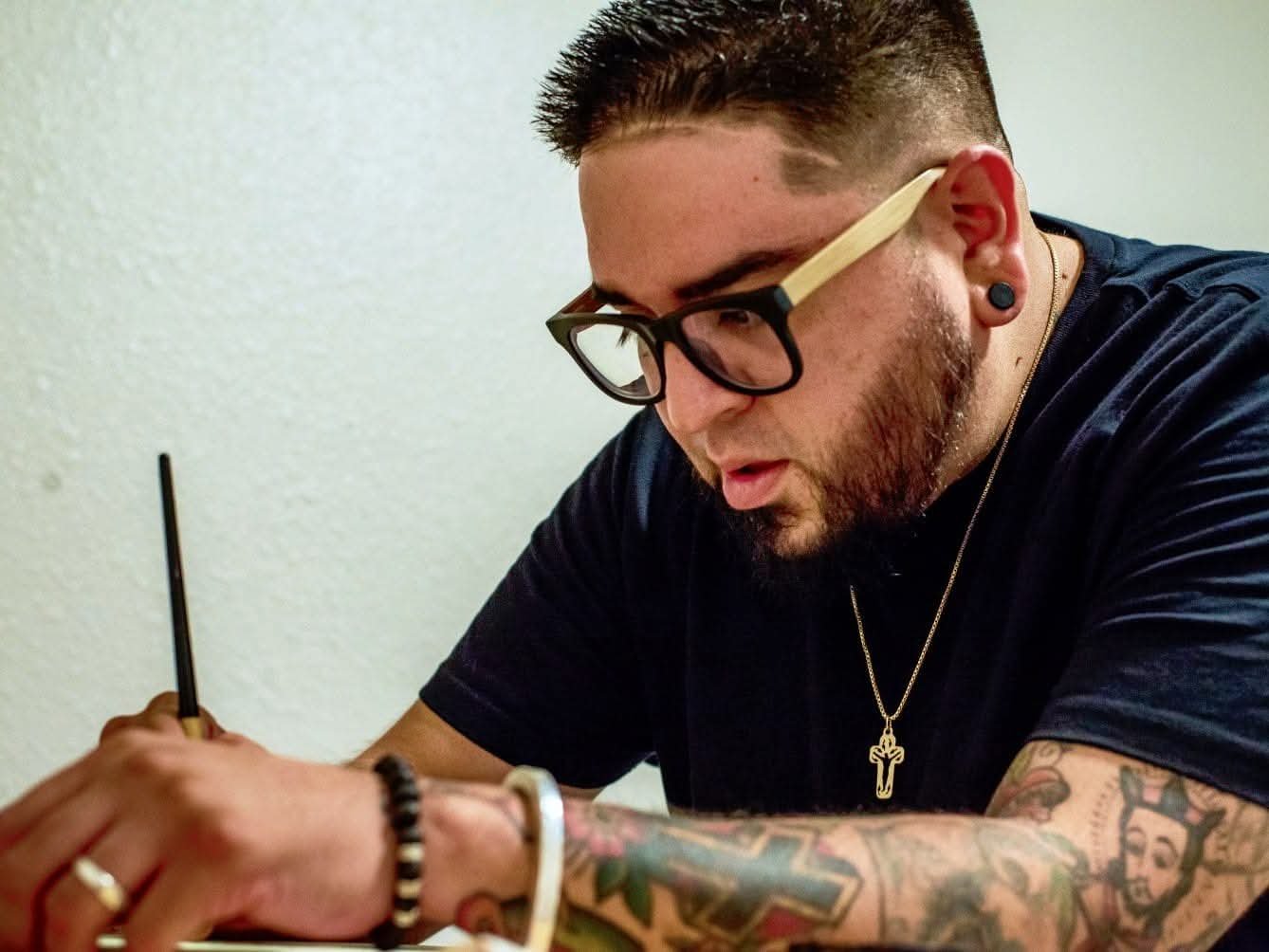
Artist Vince Campos
Telling the Story of the Santos: From Rolling Hills to Your Neighborhood Cholos
Santero Vince Campos in conversation with E. Boyd Curator and Museum Director Curator Jana Gottshalk. They will discuss navigating the art world, Vince's ability to combine traditional techniques and contemporary ideas, and supporting the future generations of artists.
Vince is from El Rito, New Mexico has been practicing the tradition of retablo making for over twenty eight years. While Vincent keeps to traditional methods of retablo production, his depictions of Santos do not. He creates Images in a fun and whimsical way, placing them modern New Mexican settings to better relate traditional devotions. His depictions and use of muted natural pigments found in Northern New Mexico have grown in popularity among surrounding communities. Through these modernized retablos, Vincent believes it has revitalized an interest in the Spanish Colonial Arts for a new generation of viewers. This new found interest helps keep this native to New Mexico art form alive.