Prints, Hide Paintings and Works of Wood
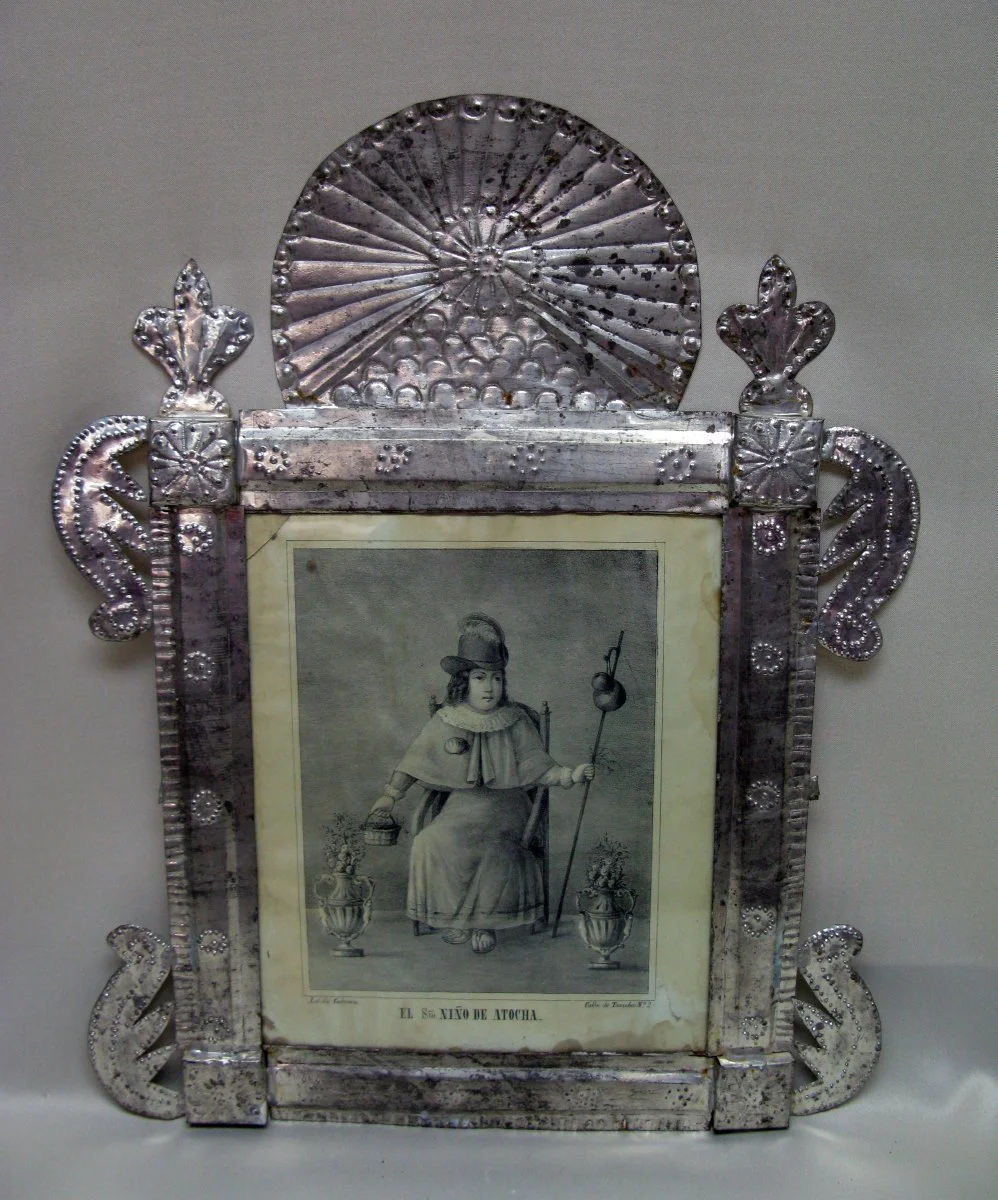
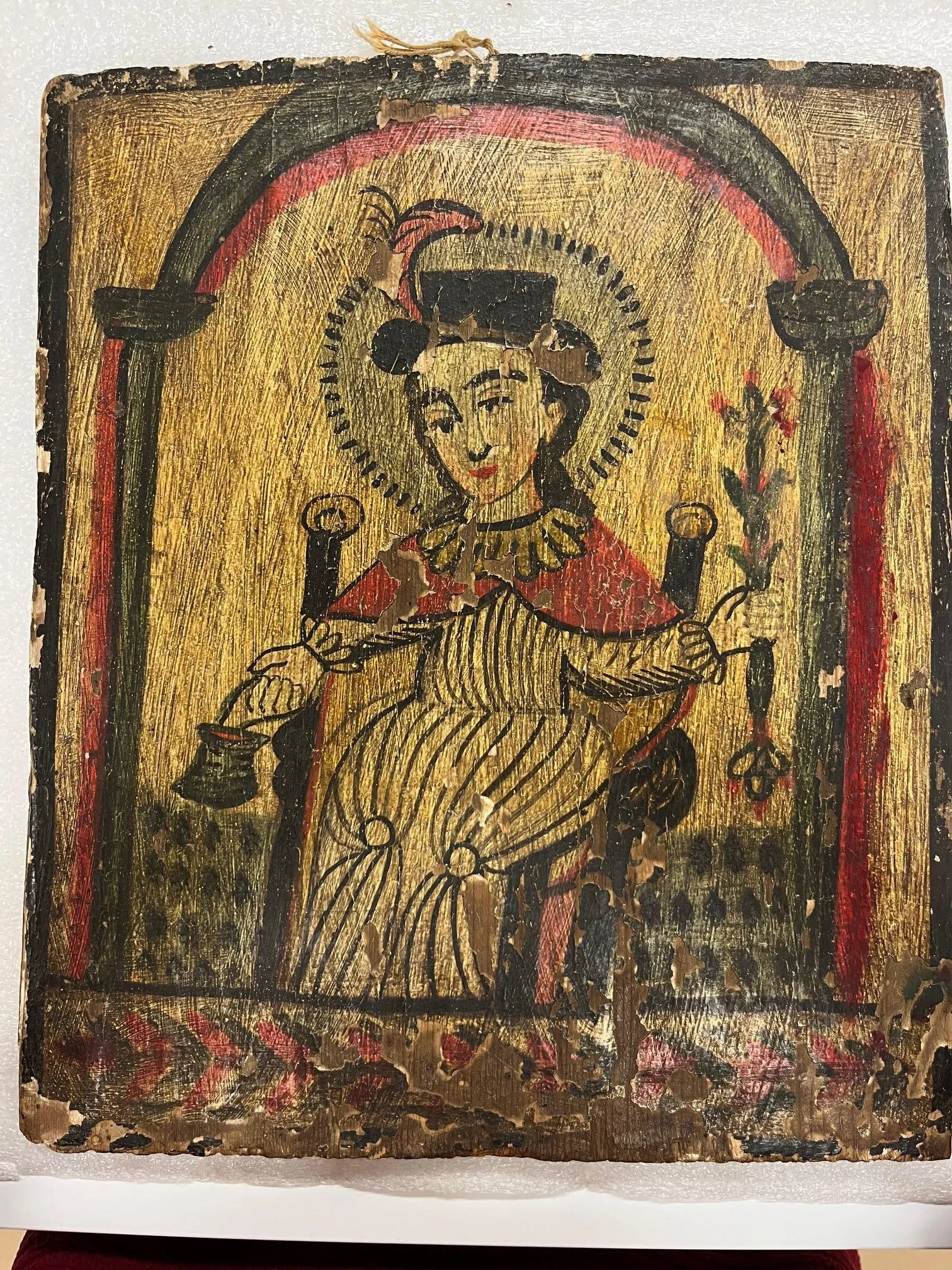
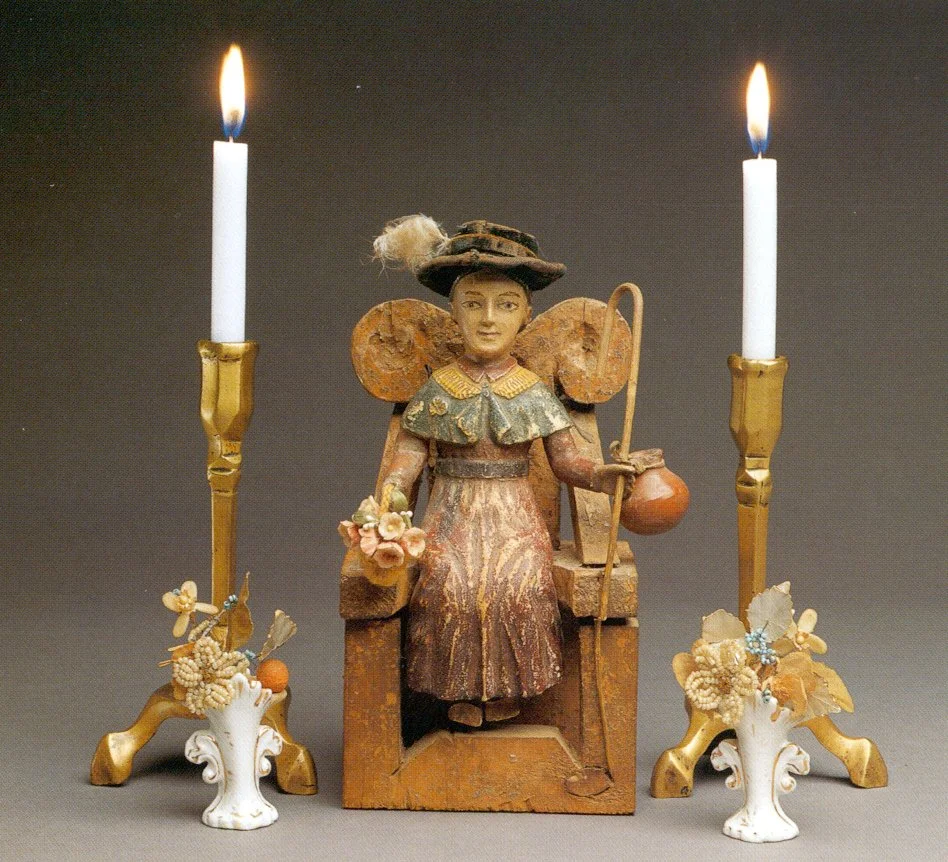
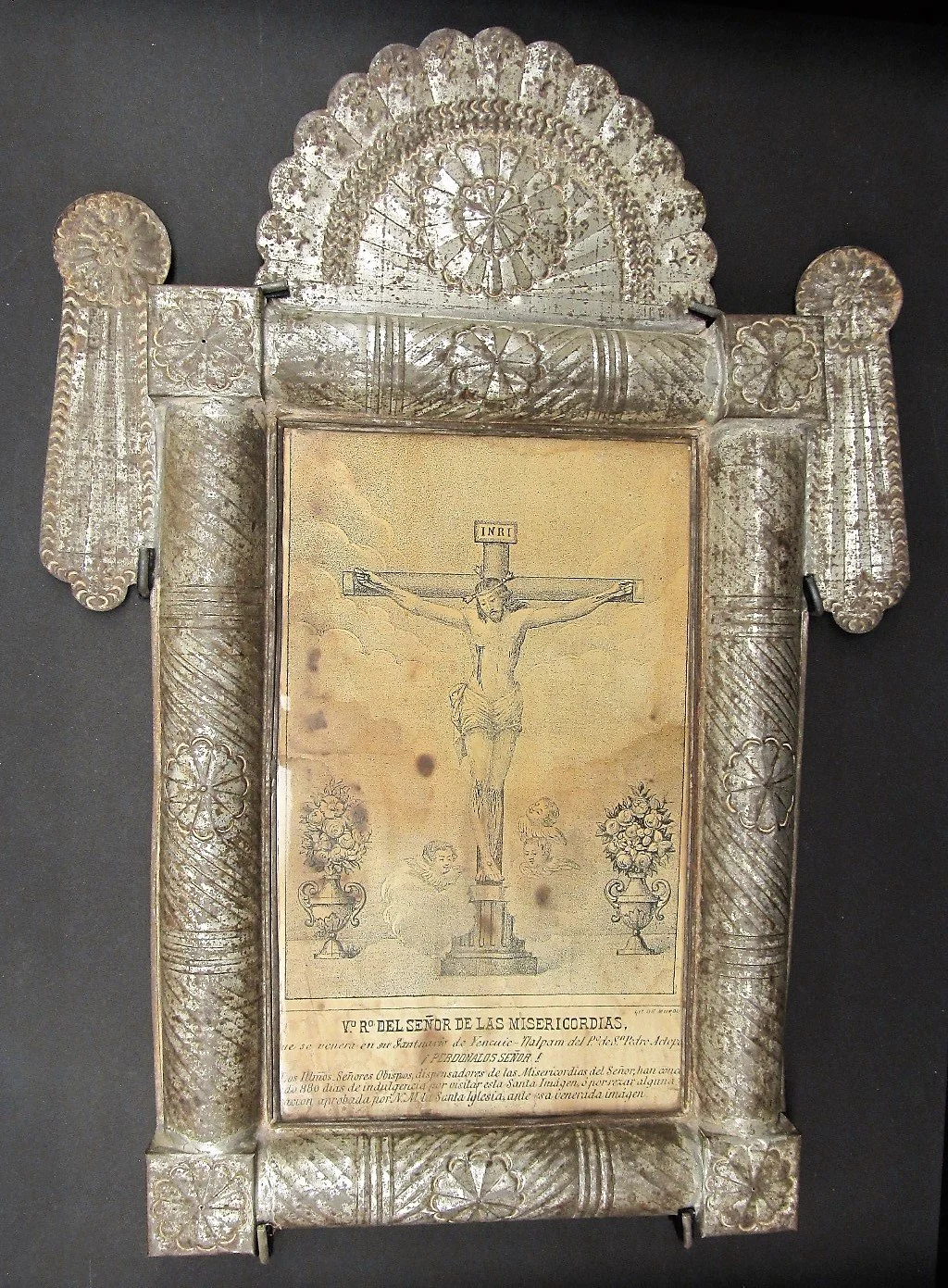
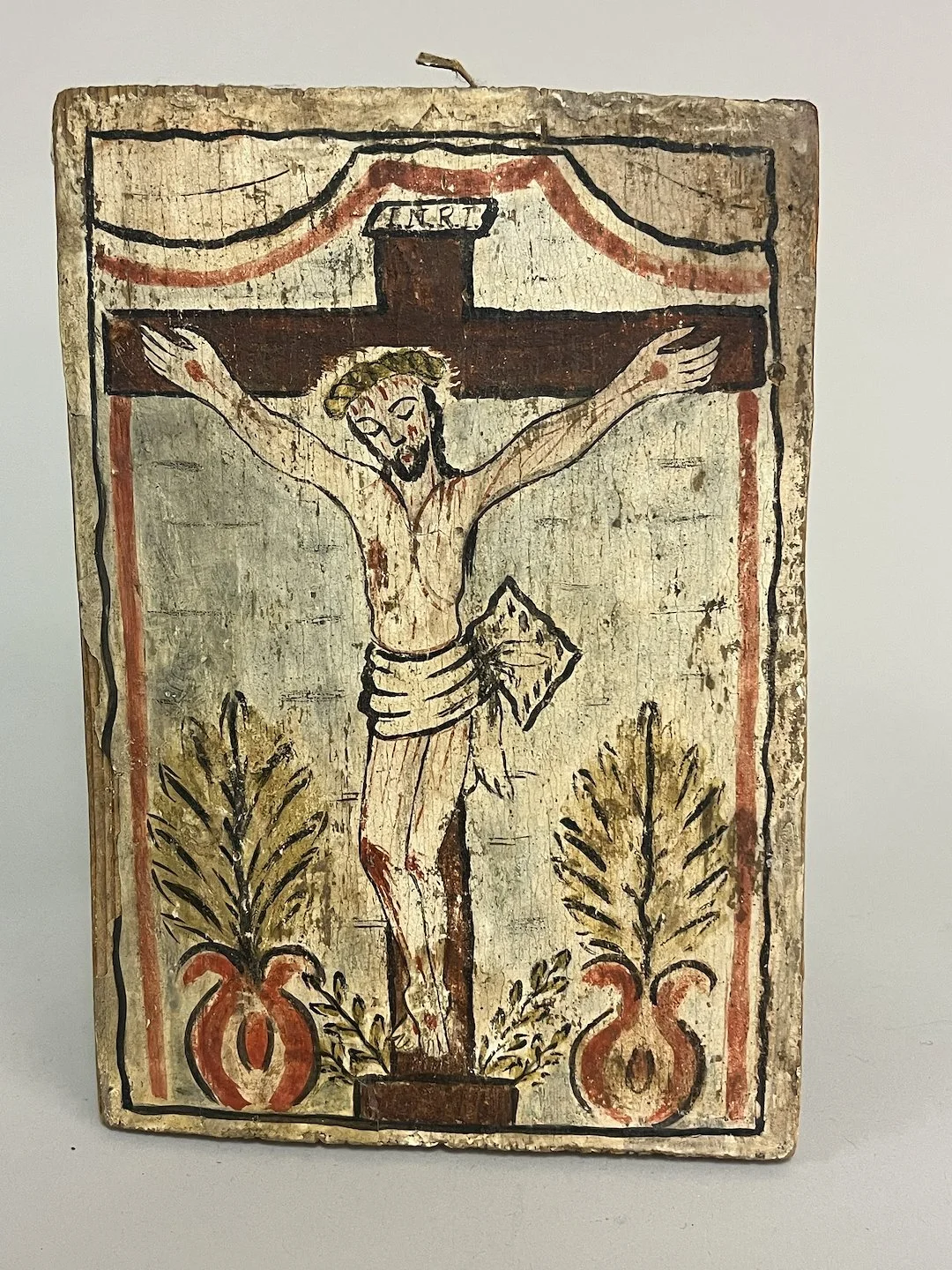
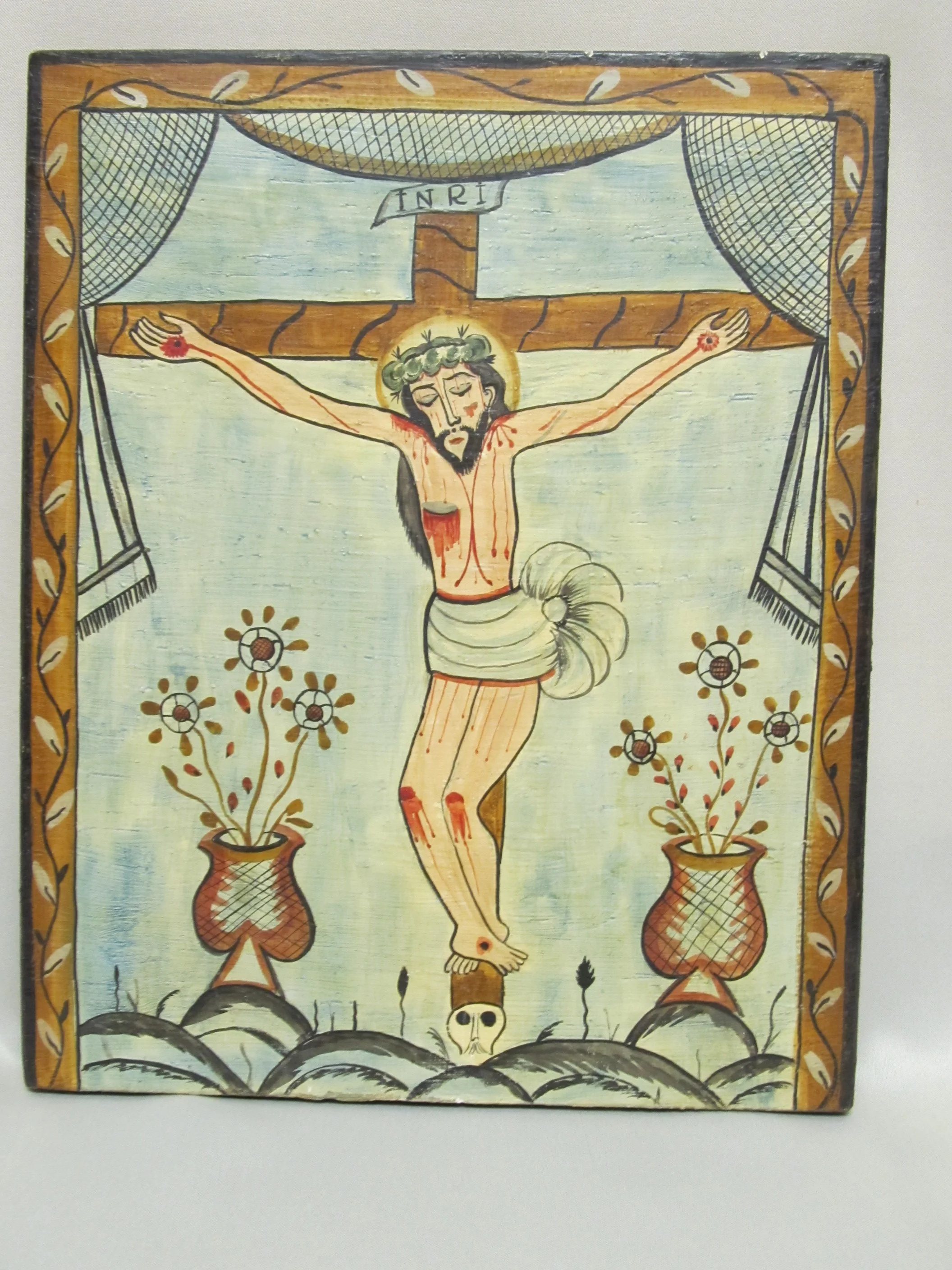
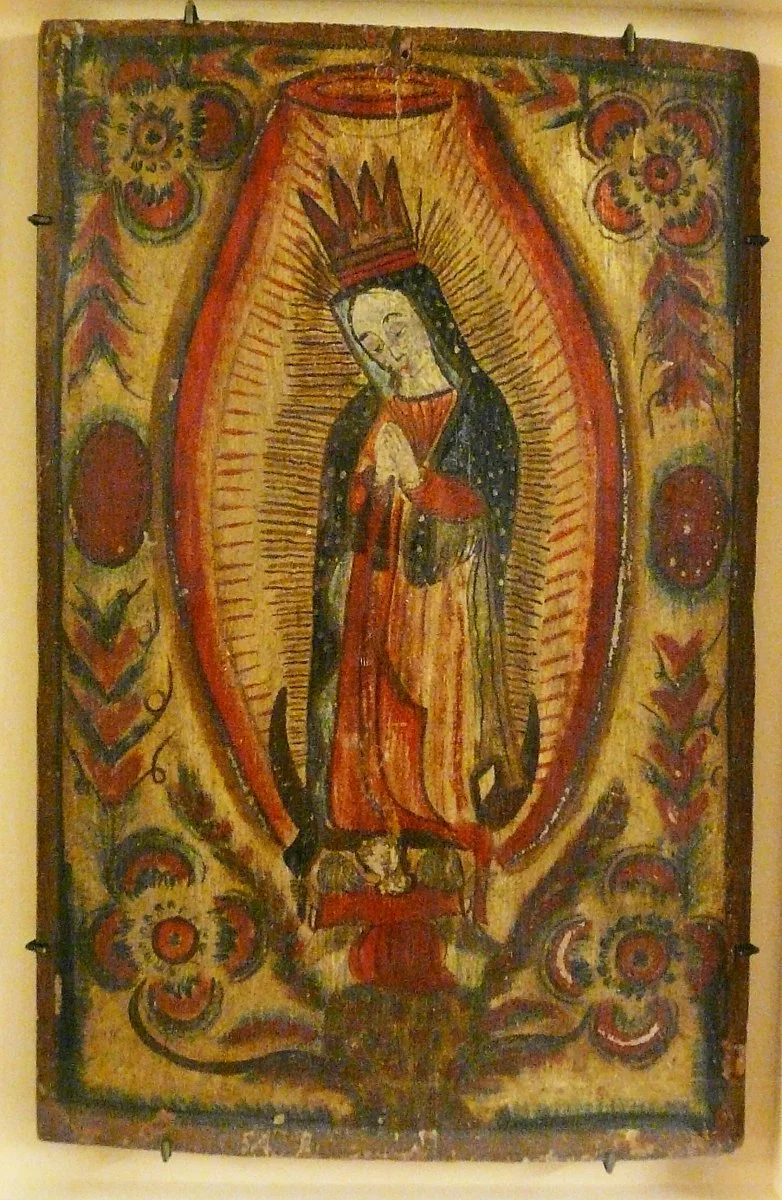
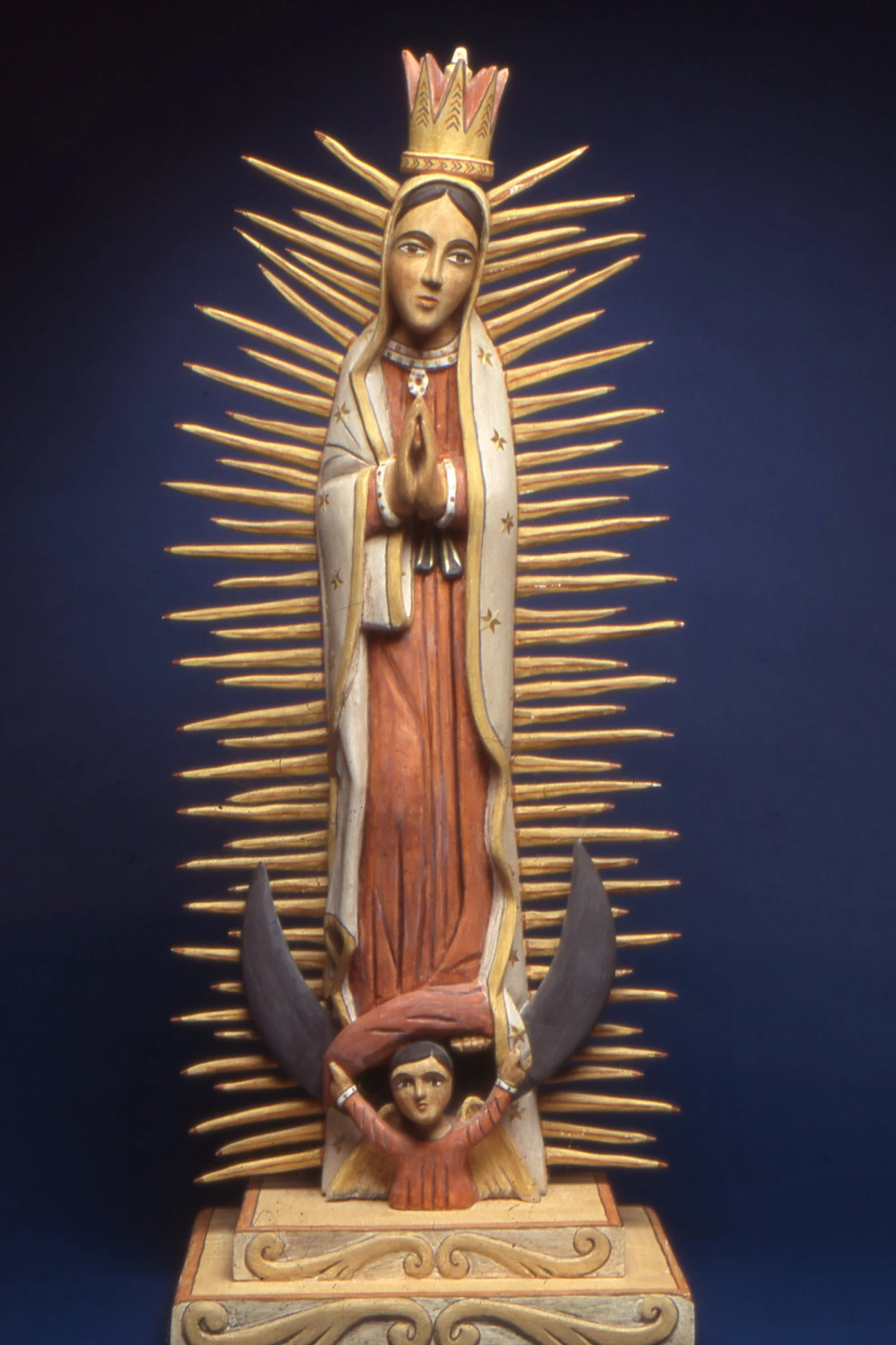
From the Camino Real to the Santa Fe Trail, historic trading routes were essential in shaping the artistic landscape of New Mexico. In particular, imported prints from Spain and Mexico deeply influenced local artists, directly fueling the development of the distinct blend of Hispano and Indigenous styles known as Nuevo Mexicano art and characterized by traditional bultos and retablos
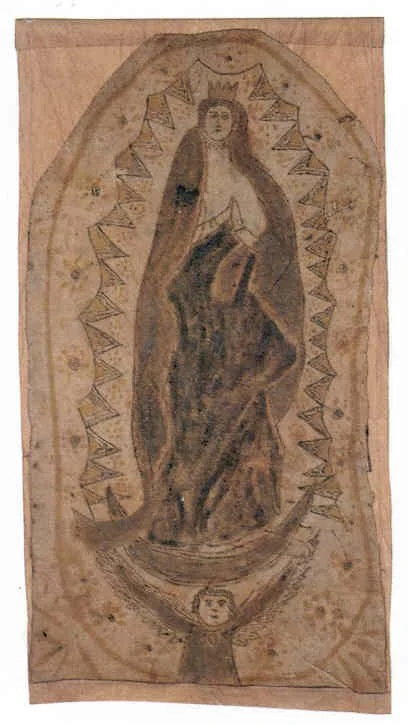
The Camino Real facilitated continuous commerce between New Mexico and Mexico, South America, Asia and Spain, while those in the Southwest traveled widely to Mexico, the Pacific Coast, and the Great Plains and traded with Native tribes. Through these networks, religious copper plates, woodcut prints, and oil paintings reached the region. In response, local artisans crafted painted hides using buffalo, elk, and deer skins from Native trade as an alternative to costly and hard to acquire European canvases. These hide paintings seamlessly combine imagery inspired by Spanish and Mexican religious iconography with native motifs and materials.
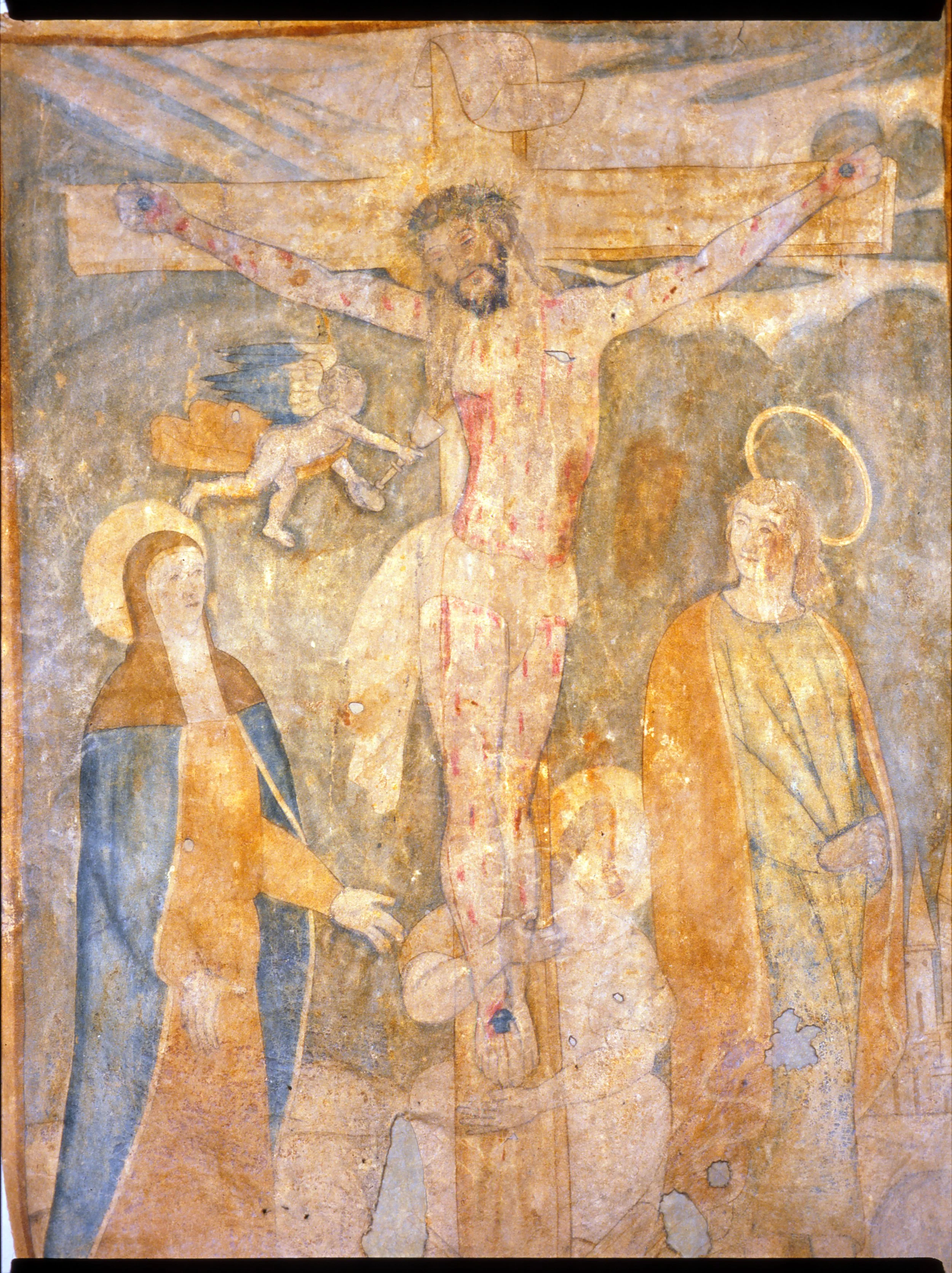
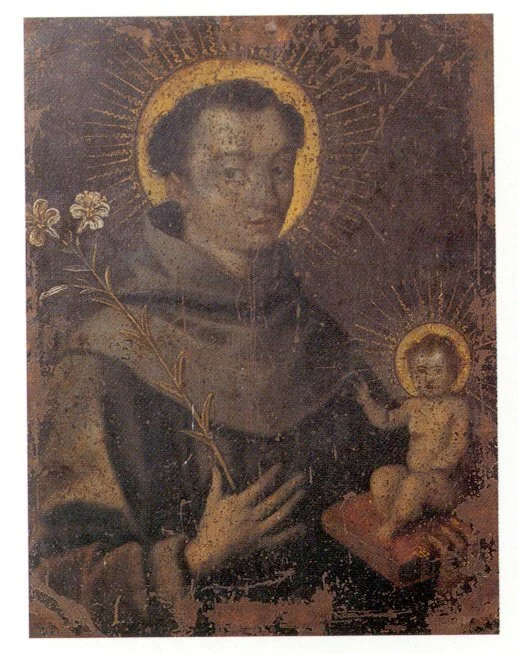
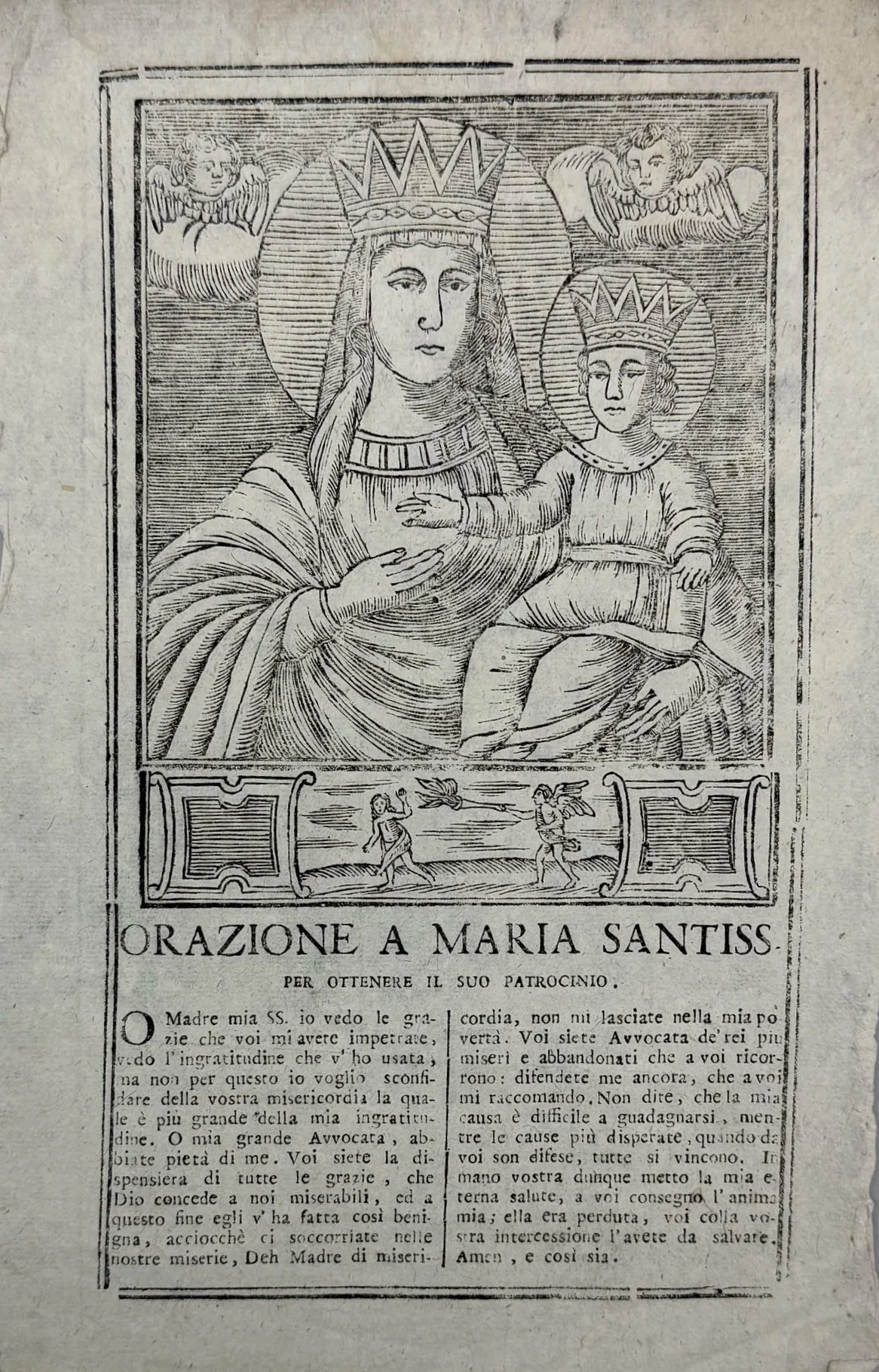
During the 18th and 19th centuries with the introduction of inexpensive alternatives prominent santeros such as the Laguna Santero, Pedro Antonio Fresquís, Molleno, and later José Rafael Aragón defined this regional style by painting on wooden panels, or retablos. Moving away from heavy European Baroque conventions, they embraced Pueblo aesthetic sensibilities to cultivate the Indigenous-Hispano tradition. The impact of European printmaking is evident in Fresquís’s work, where crosshatched lines incised into gesso coatings emulate woodcut techniques. Likewise, the drapery, floral patterns, and composition in New Mexican bultos and retablos reflect the lasting artistic legacy of Spanish prints and Mexican oil paintings.
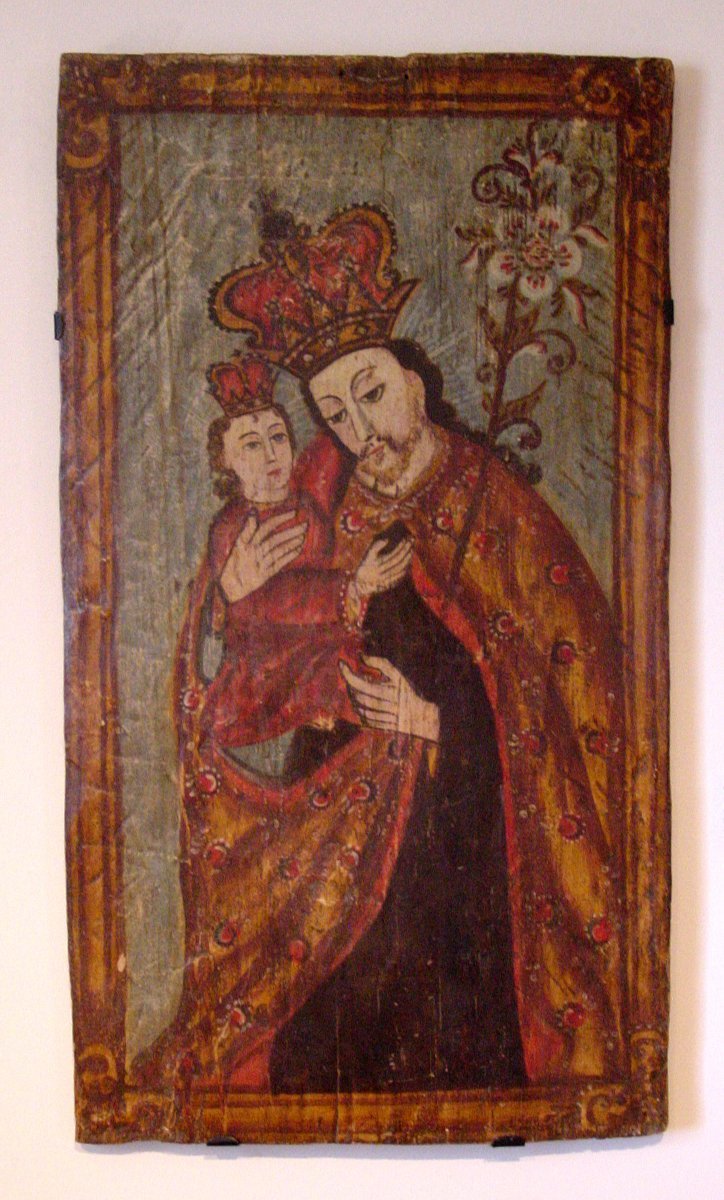
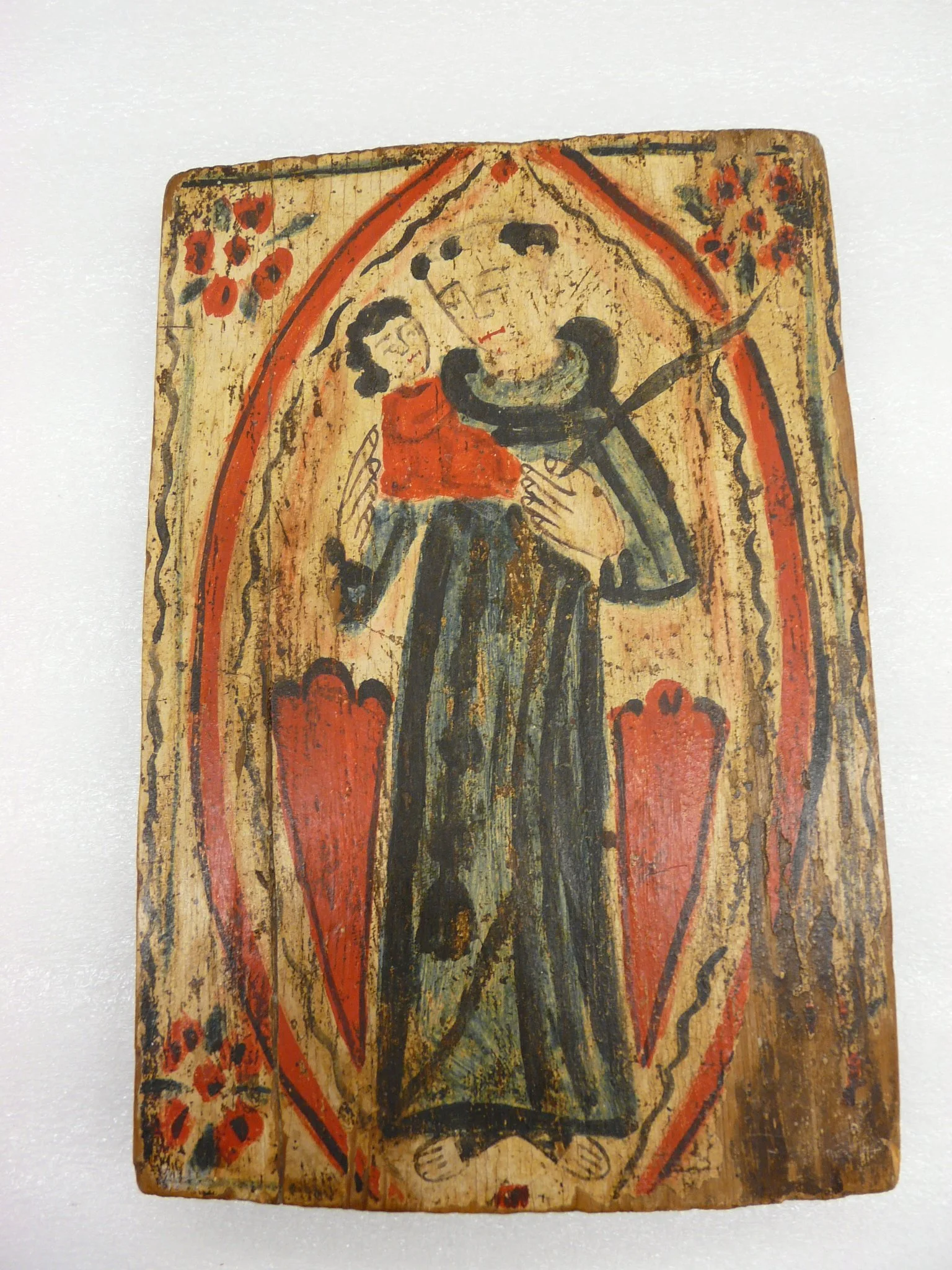
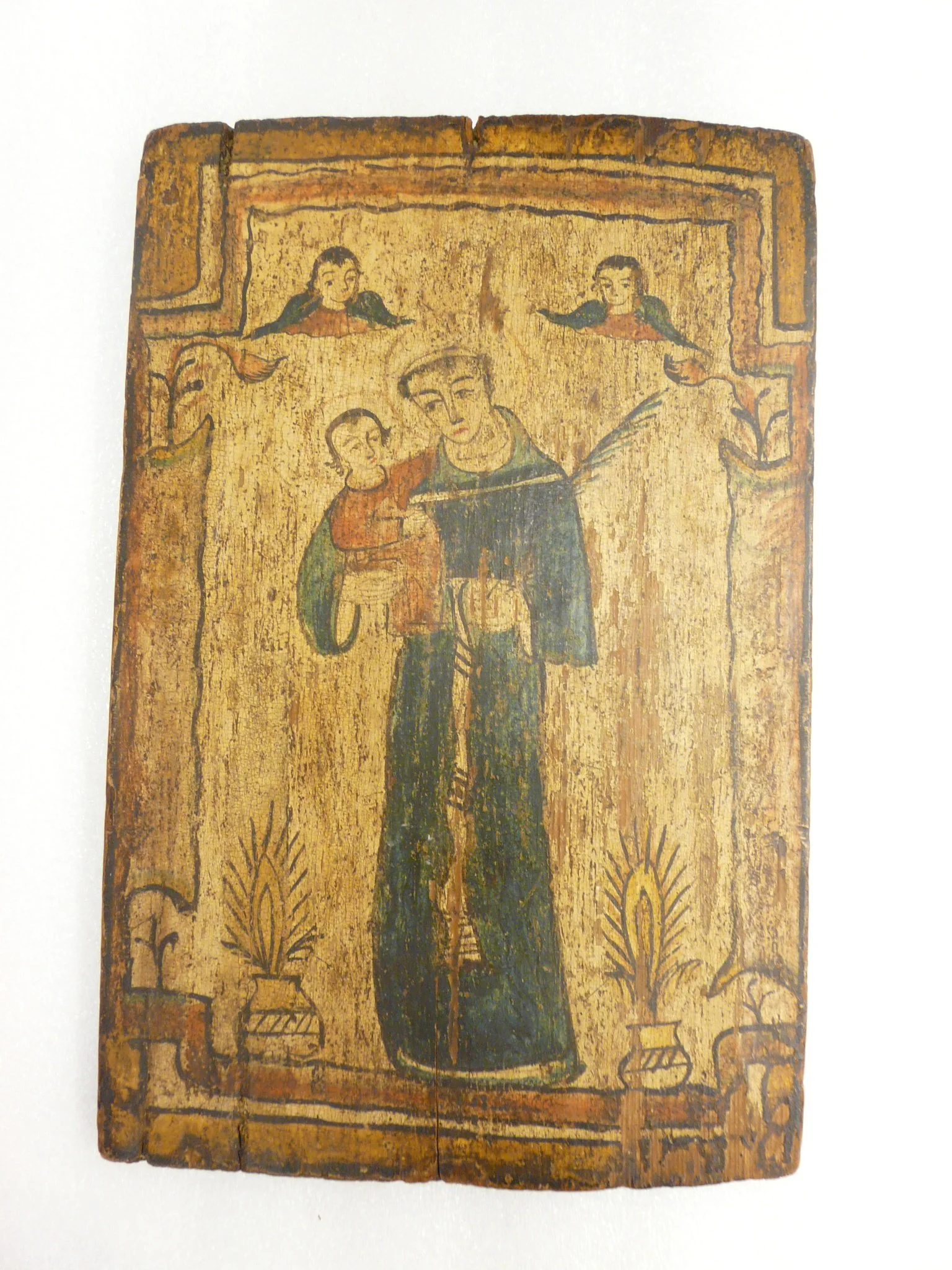
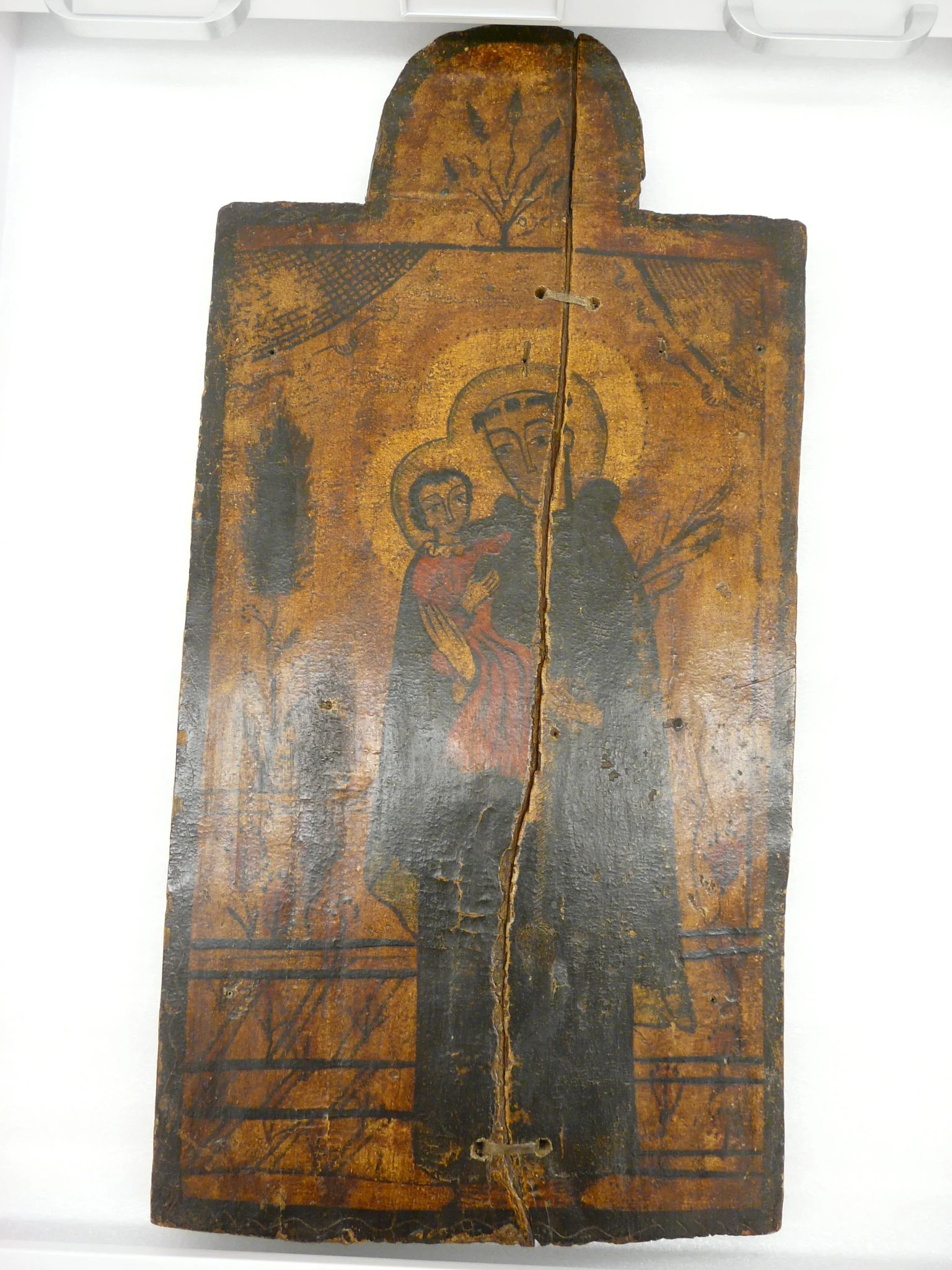
As New Mexico evolved, these fundamental techniques and iconographic traditions continued to inspire and bleed into the works of modern-day santeros.