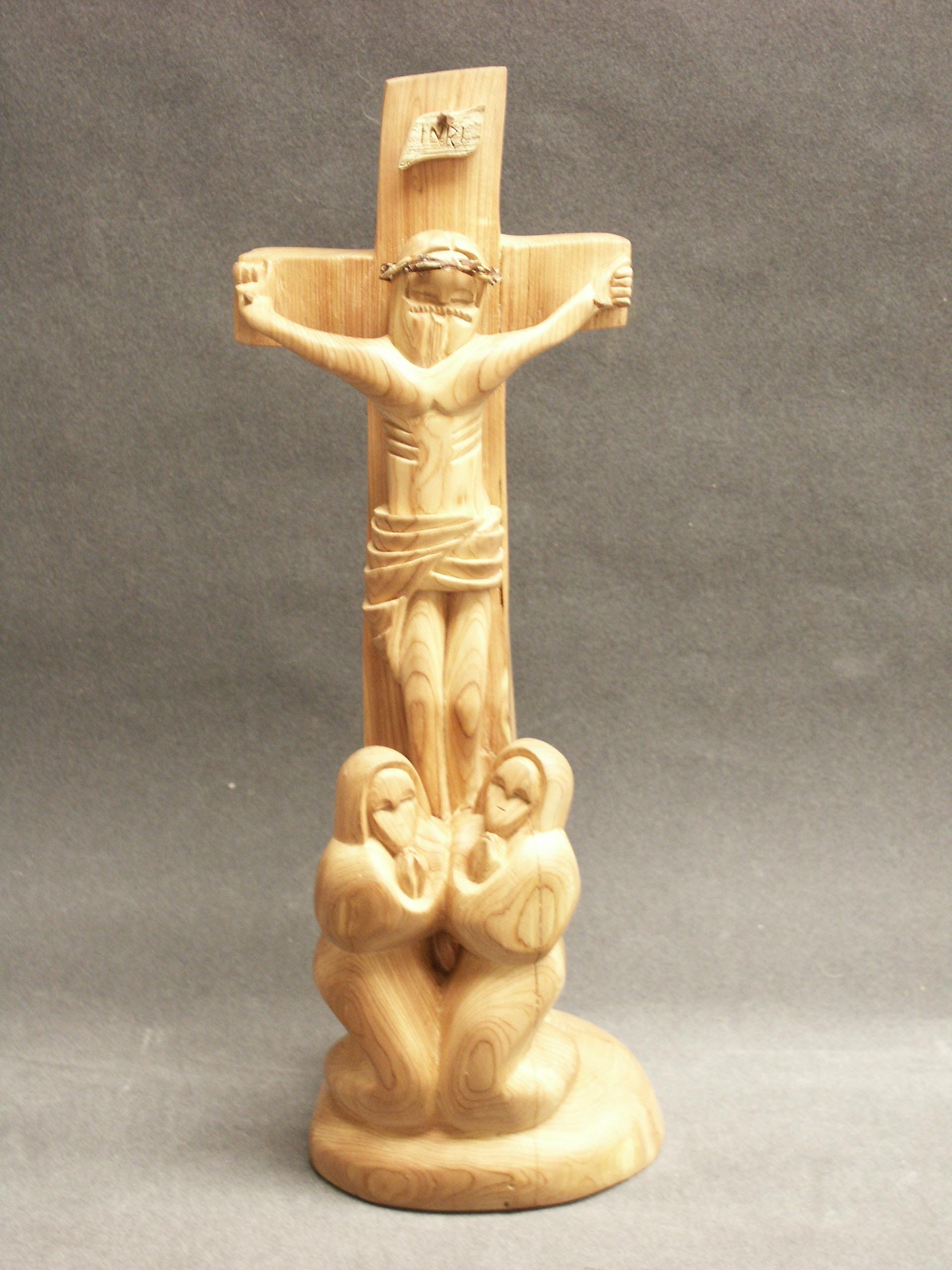
With the Grain
Unpainted wood carvings
While many wooden crafts are painted in vibrant hues, complex patterns, and ornamental motifs, there are artisans who rely solely on raw wood to give shape to their ideas. Blending the spiritual with the abstract, generations of woodcarvers have revitalized the craft, giving rise to a distinct form of unpainted bultos. Initially created to appeal to Anglo-American buyers, these unpainted carved figures evolved over time as artists embraced natural wood as a medium for authentic personal expression rather than commercial production.
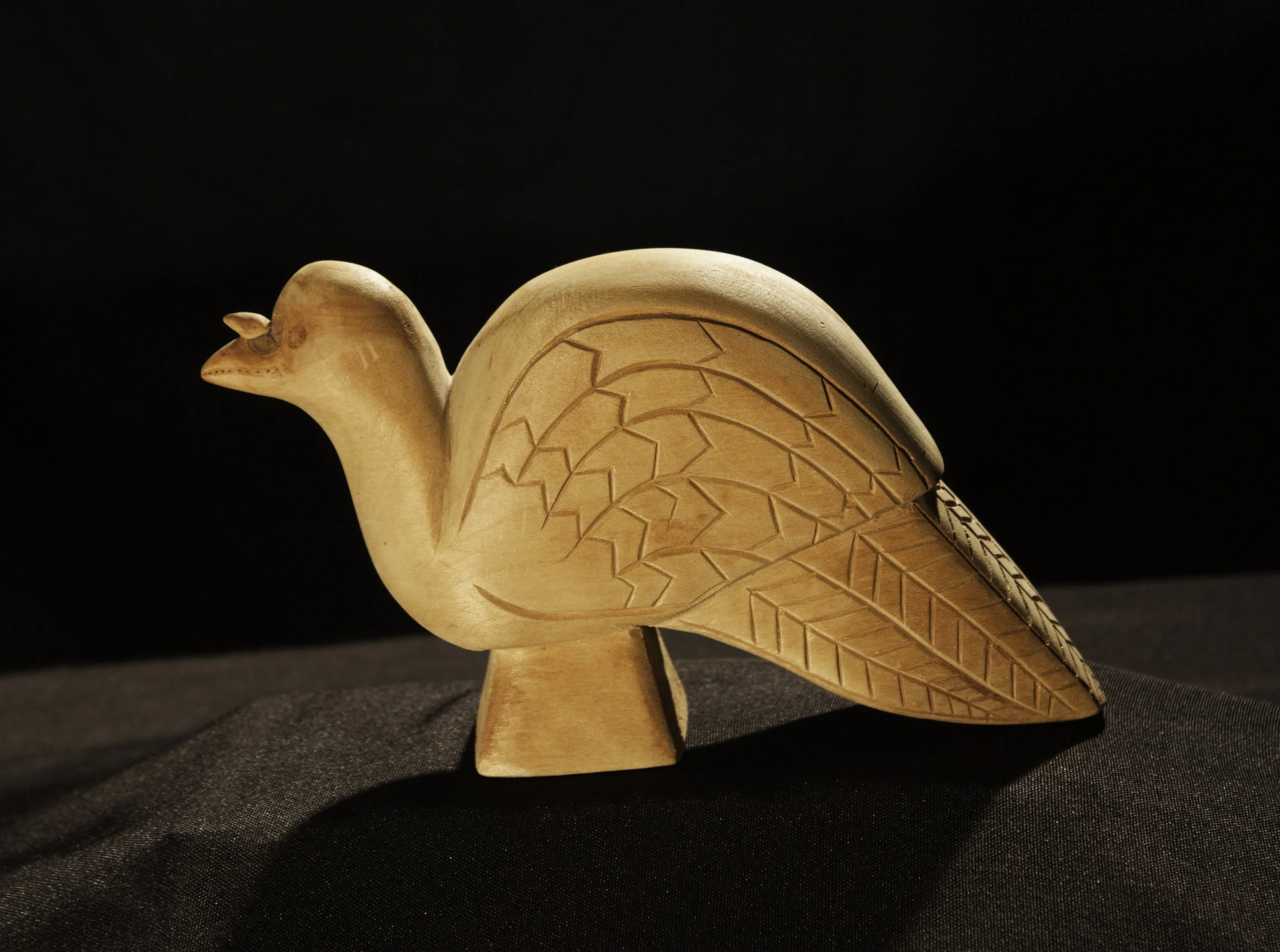
Prominent among these figures were Celso Gallegos and José Dolores López. Often recognized as the “San Isidro Santero,” Gallegos embarked on his carving journey in his youth. Departing from classic polychromed devotional figures, he embraced the natural grain and organic forms of the wood. Though rooted in traditional iconography, Gallegos infused his creations with a distinct creative vision. Reimagining the craft, his work captured widespread acclaim at the 1926 Santa Fe Fiesta, winning multiple awards and inspiring the work of López. His semi-abstract approach ultimately helped usher New Mexican woodcarving into the modern art era.
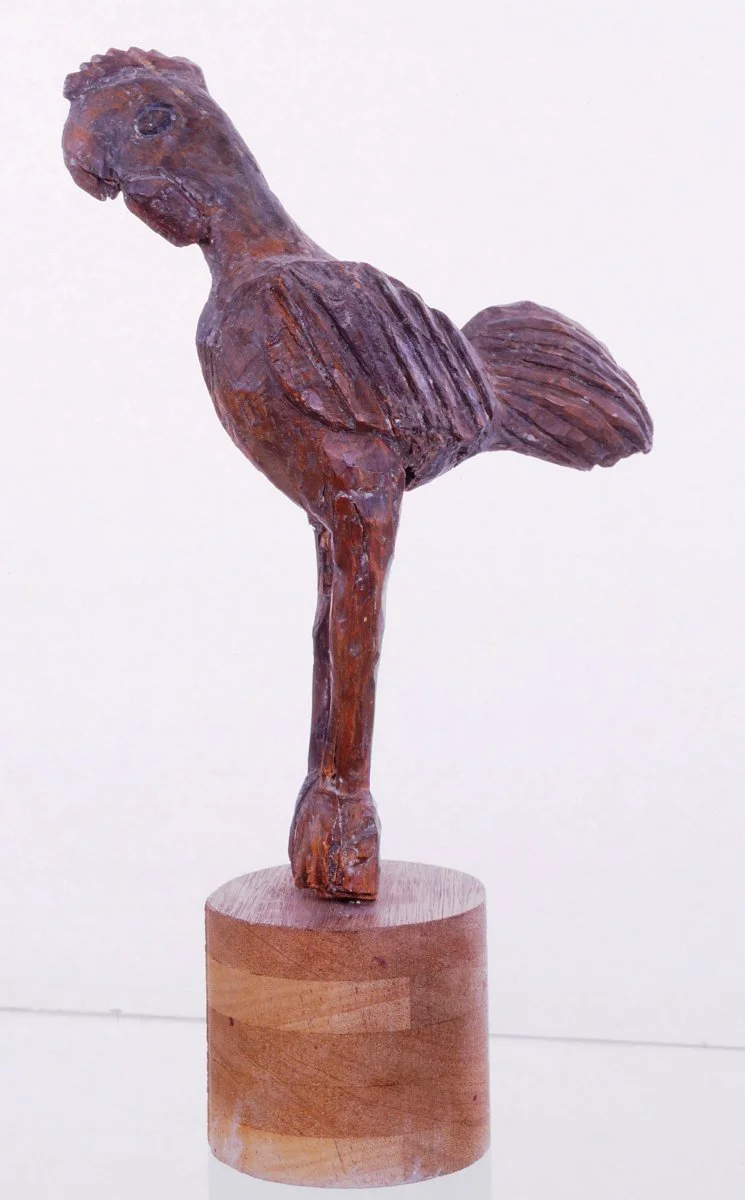
Rooster / Gallo
Celso Gallegos
New Mexico, 1930’s
Wood
Gift of Ina Sizer Cassidy
1952.017
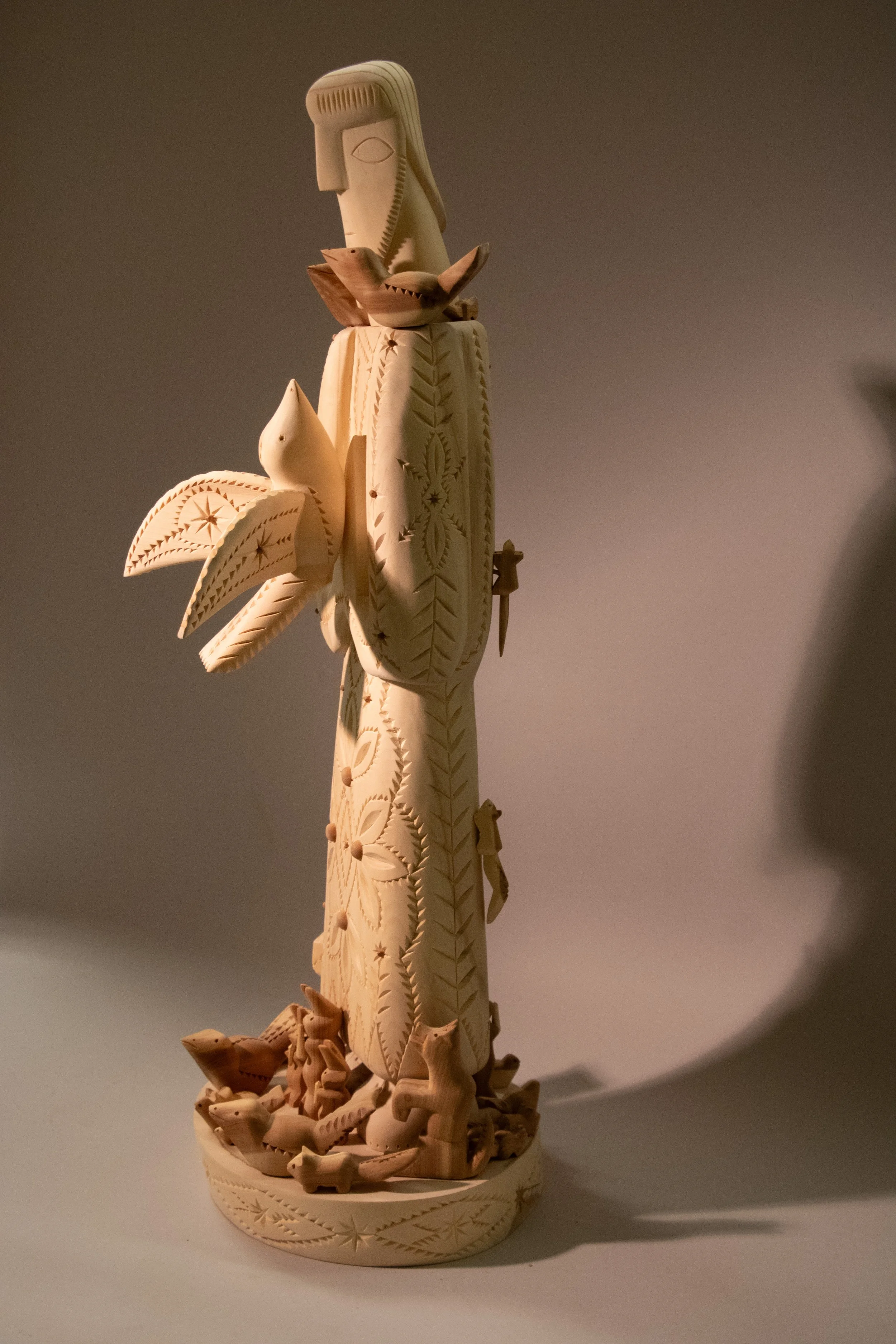
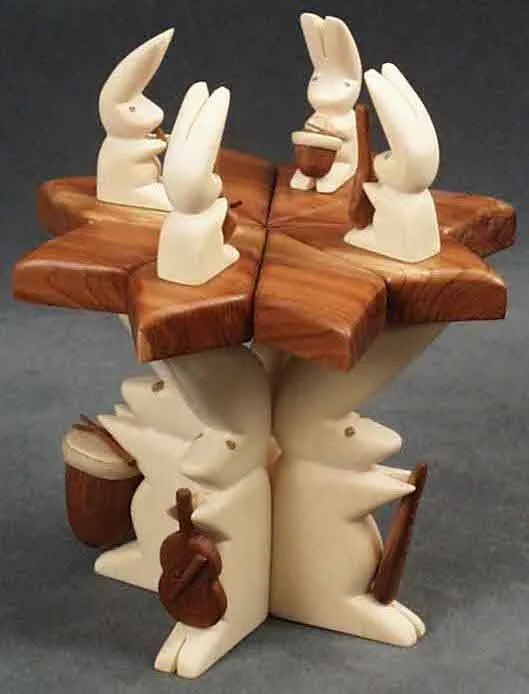
José Dolores López played a pivotal role in popularizing Hispanic woodcarvings among Anglo-American buyers, placing the village of Córdova at the center of the movement. In the 1920s, artist Frank Applegate persuaded López to sell his work at the Santa Fe markets. He initially sold unpainted furniture along with non-traditional household items like record racks and lazy Susans. During this period, López began carving small animal figures and reimagining traditional Swiss and German toys. Tourists and locals alike enjoyed these pieces for their expressive features and personality, highlighting López's technical skill, innovation, and originality. As with his furniture, Applegate later suggested carving unpainted figures of saints, or bultos. Inspired by the 19th-century santero José Rafael Aragón, López enriched these bultos with delicate, chip-carved filigree patterns derived from his background in carpentry and jewelry making. Celebrated for their simplicity and modern aesthetic, his work suported the deliberate departure from traditional painted bultos. López’s children continued the Córdova woodcarving tradition, eventually establishing themselves as distinguished artists in their own right.
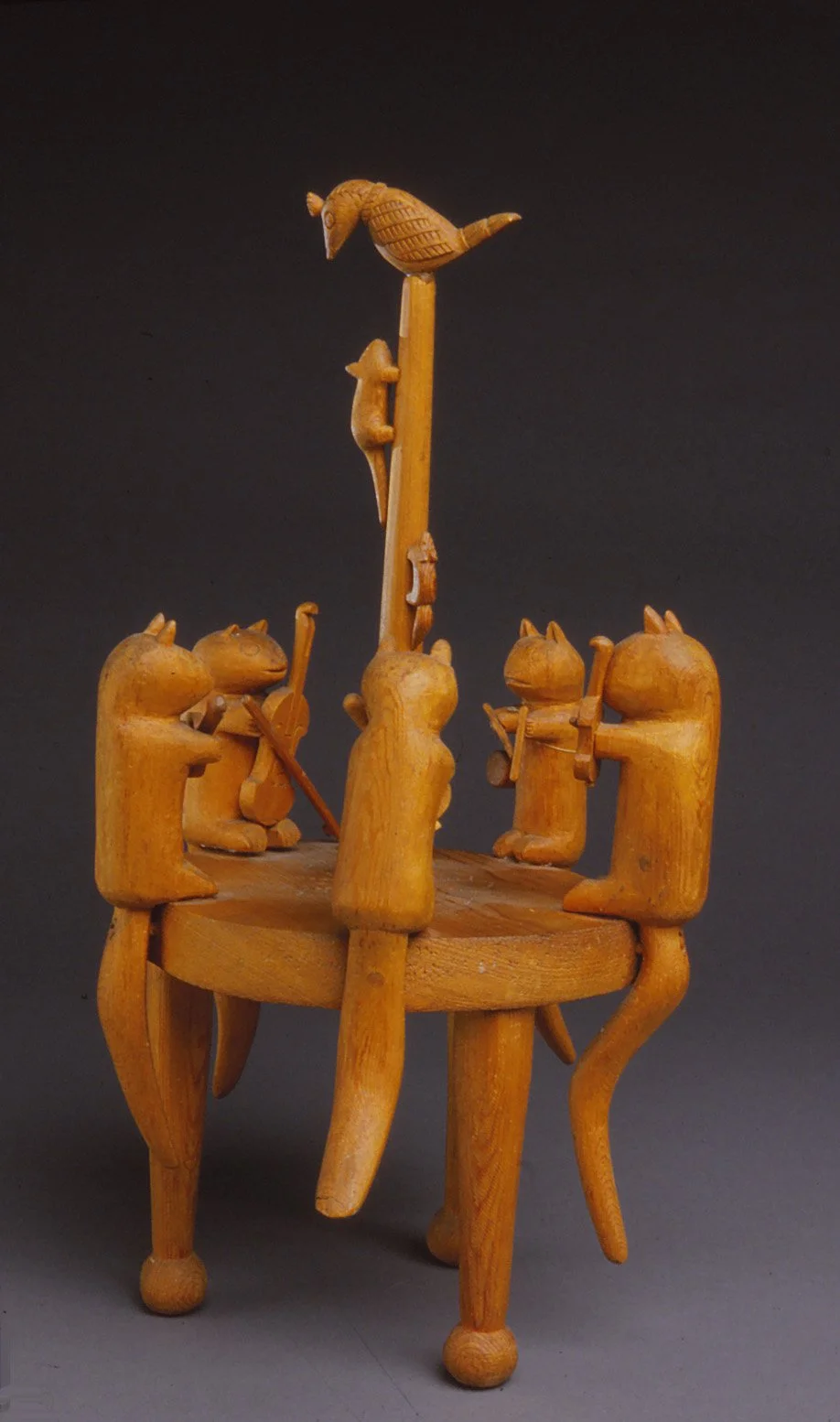
Animal Orchestra / Orquesta Animal
Jose Lopez Dolores
New Mexico, ca. 1935
Pine wood
Gift of Mary Cabot Wheelwright
1952.045
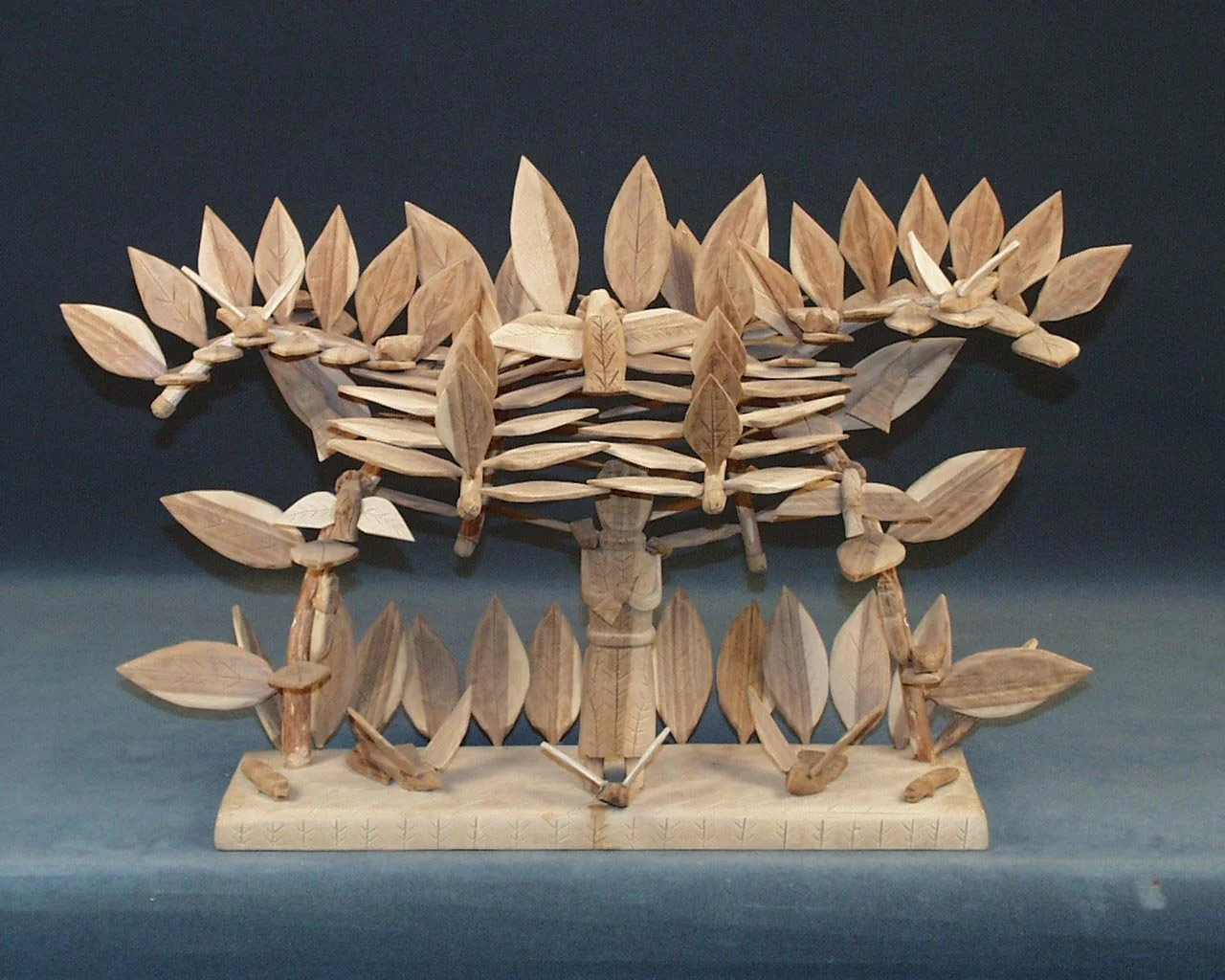
Alongside the López family, carvers such as Patrociño Barela, José Mondragón, Celso Gallegos, and Antonio Martinez expanded the medium. Barela began carving in 1931 and worked with the WPA Federal Art Project in 1936, earning acclaim as a master Taos woodcarver. Mondragón began carving around 1959, producing unpainted works featuring subtle filigree details and simple floral motifs reminiscent of López’s style. Antonio Martínez, by contrast, took a naturalistic approach; rather than adding carved surface designs, he relied on the organic texture and tone of the wood, frequently utilizing two-toned aspen with a raw, textured finish. While these artists played key roles in bringing New Mexican woodcarving into the contemporary art world, the tradition continues to evolve today—honoring the history, culture, and predecessors who paved the way.
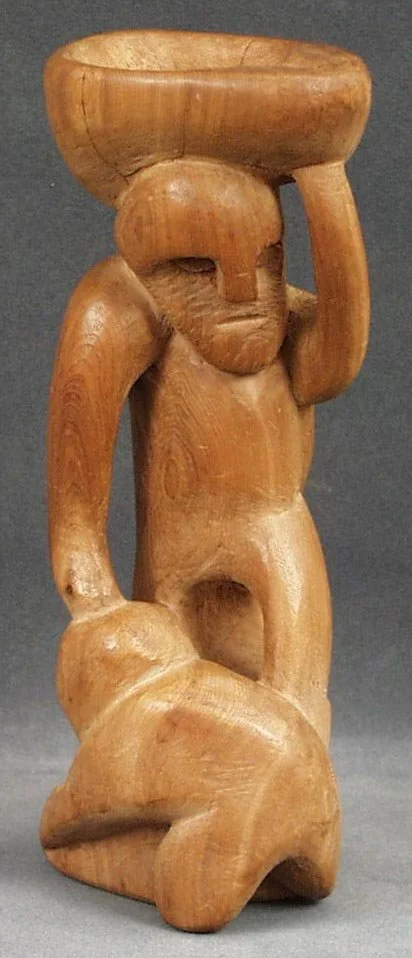
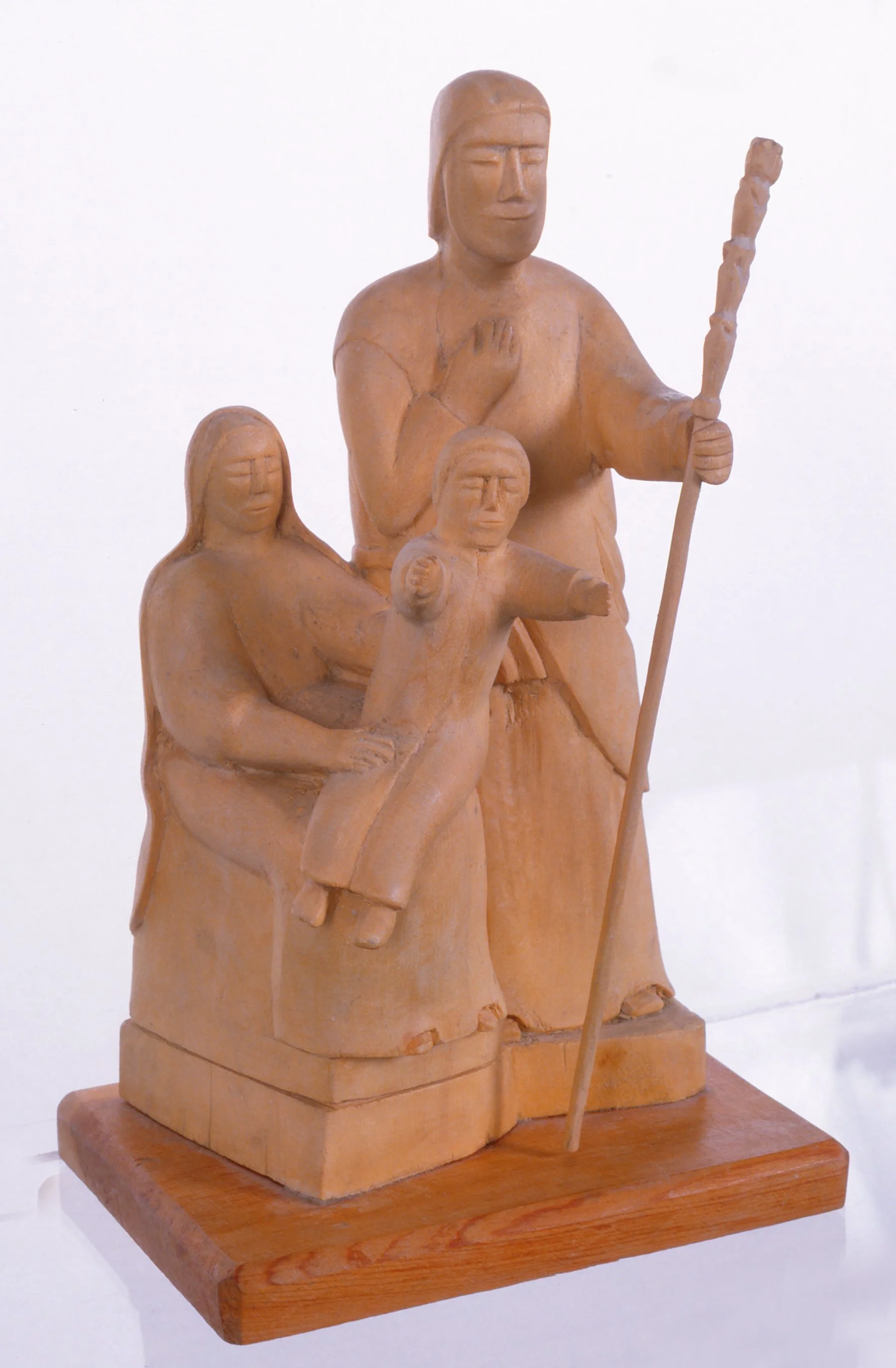
The craft continued
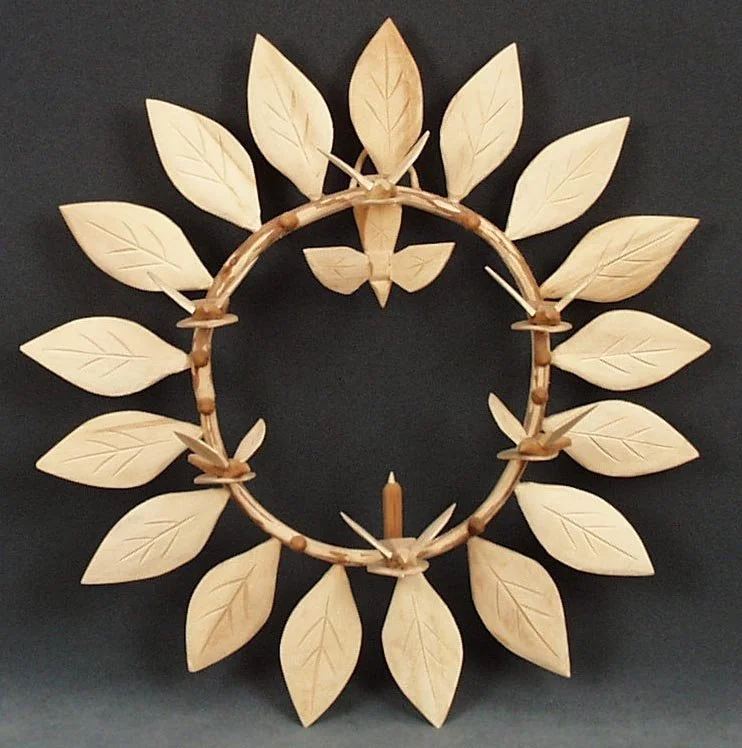
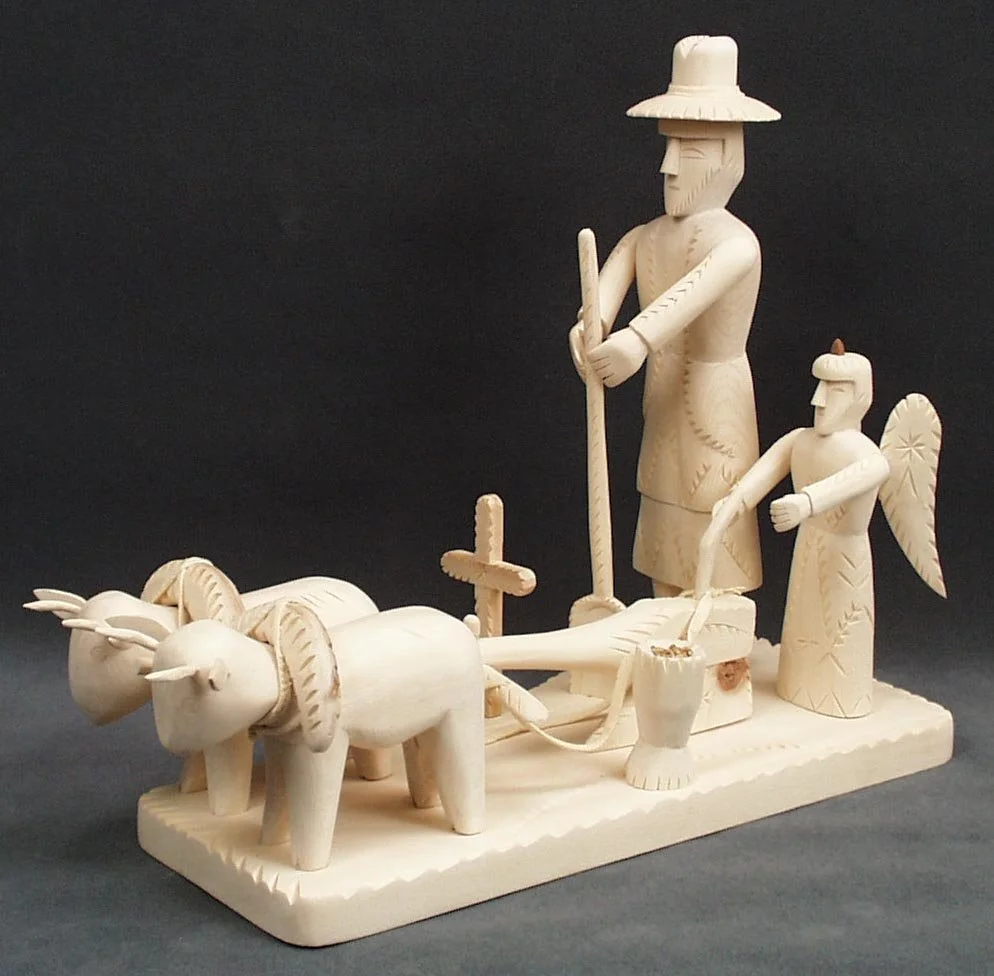
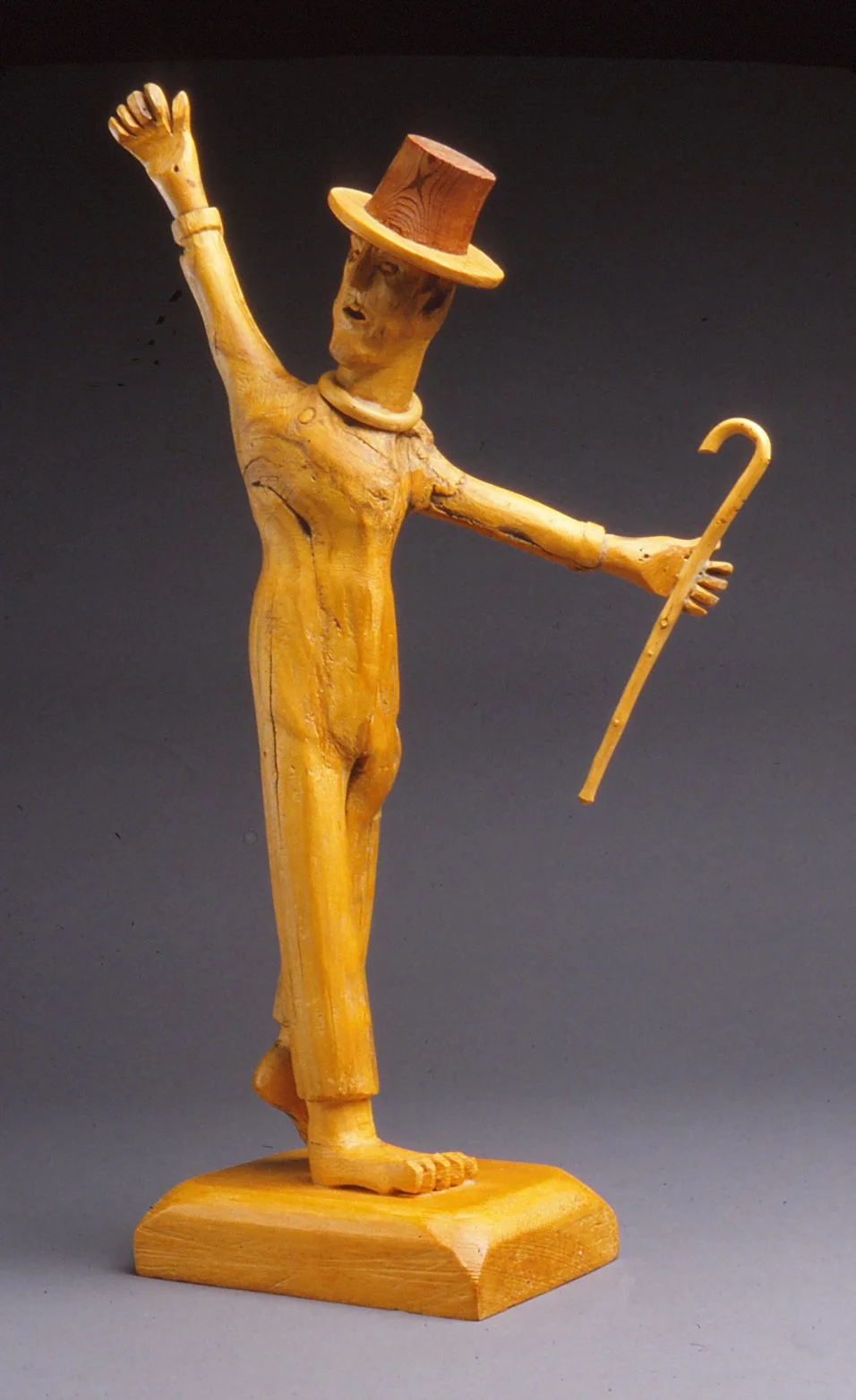
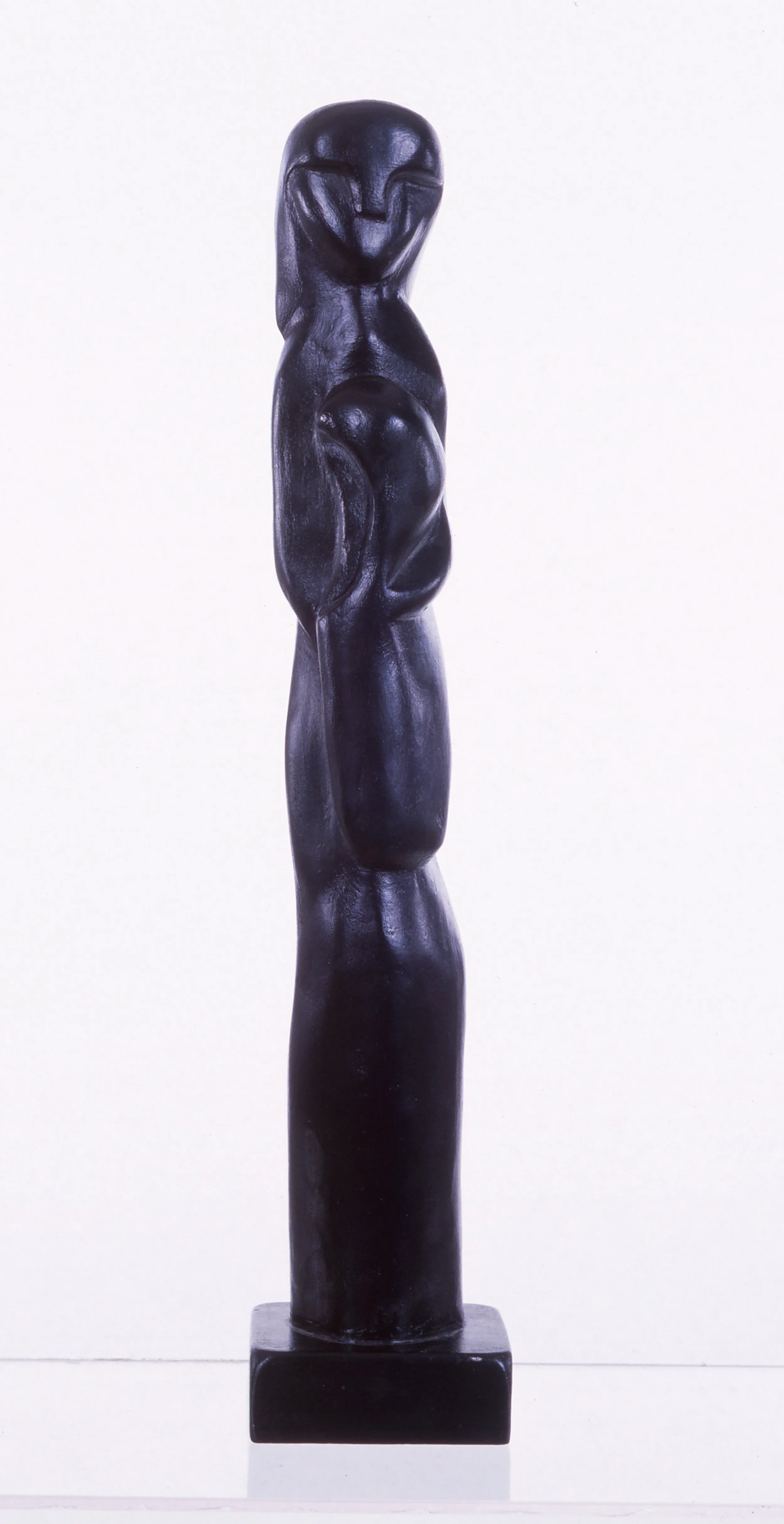
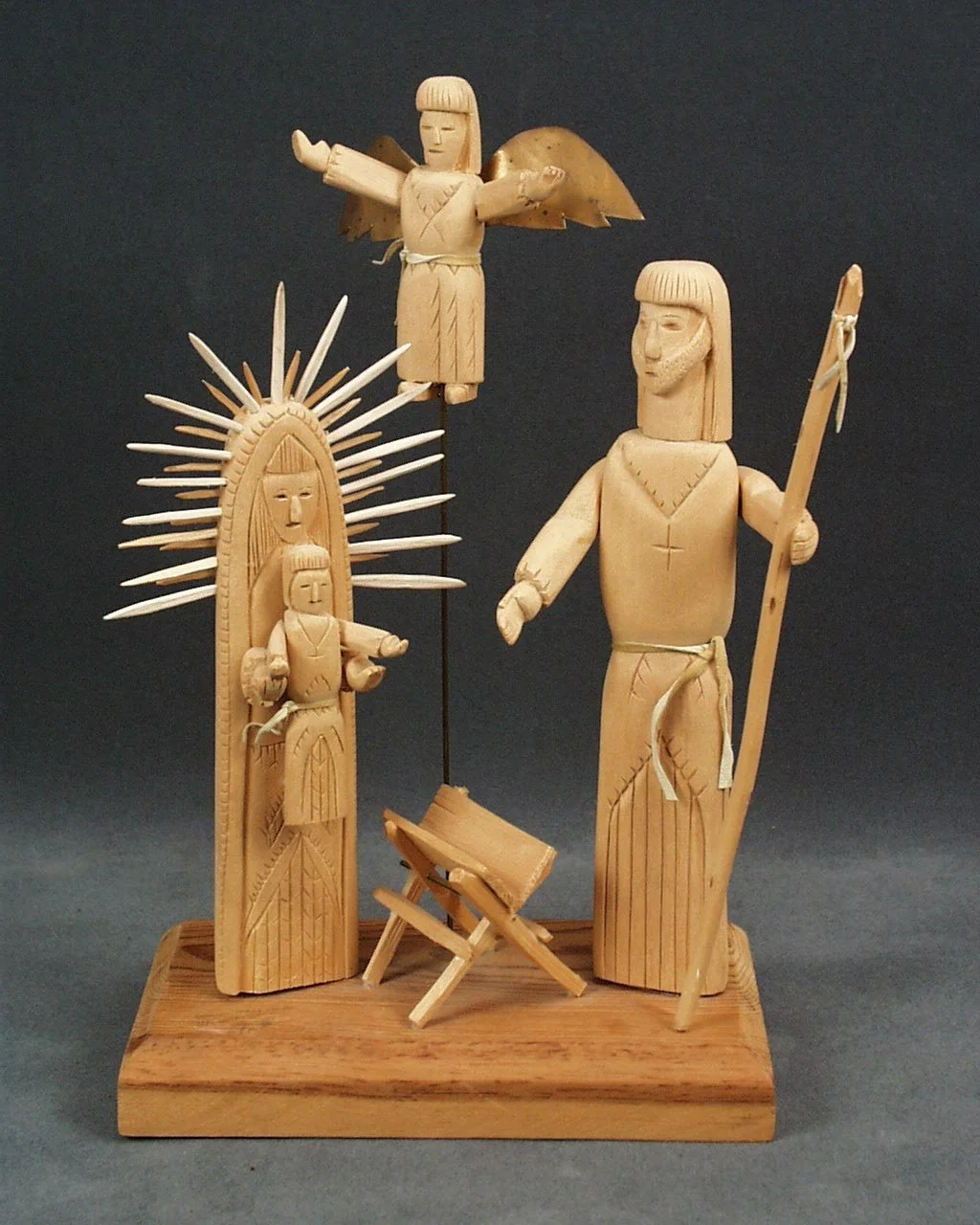
Our wood bulto collection continues past those who redefined and revived the un-painted style. From father to son, or teacher to student, these pieces stand as works of beauty. Here are a few more bultos from our collection.